
Blog
Dental hygiene tips for healthy teeth & gums
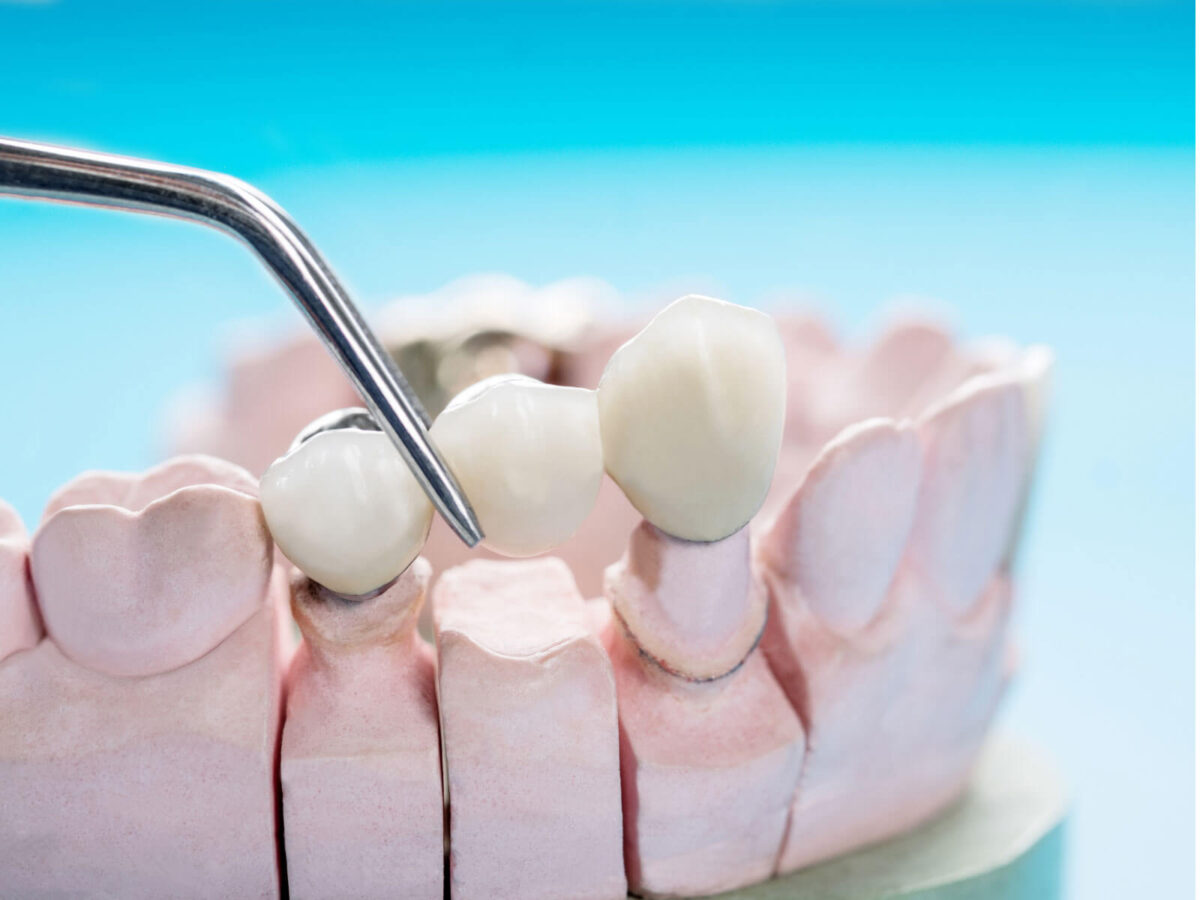
What Is a Dental Crown? Types, Uses, and What to Expect
A tiny helmet for one tooth, that’s how my dad described his crown after a decade-old filling finally cracked on a back molar.
He wasn’t far off. What is a dental crown actually? A custom-built cap that sits over a tooth once there’s not enough left of the original to just patch with another filling.
What a Dental Crown Actually Is
A tiny cap shaped exactly like a tooth, that’s the simplest way to picture it. Cleveland Clinic describes it as covering a decayed, broken, weak, or worn-down tooth completely once it’s placed. It’s not a patch on part of the tooth the way a filling is. It covers the whole thing.
Crowns aren’t only for damaged natural teeth. Dentists place them over dental implants too, and root canal-treated teeth get them constantly. In both cases, the tooth has lost its original strength, and the crown is what gives it back a surface strong enough to bite down on.
Why Would You Actually Need a Crown for a Tooth
A filling has limits. Once a cavity or crack takes out more than about half the tooth’s width, the leftover structure gets too brittle to hold a filling reliably. That’s usually the point a dentist starts talking about a crown for tooth repair instead, since a filling that large just won’t hold.
Root canal-treated teeth almost always need one too. The nerve’s gone, along with the internal moisture and feedback that made the tooth resilient in the first place, and the result is a tooth noticeably more prone to fracturing under normal chewing force. A crown reinforces it going forward.
A few other reasons come up regularly: cracked teeth, severely worn teeth, and teeth anchoring a bridge on either side. Cosmetic cases exist too, though less often than people assume, usually reserved for a tooth so discolored or misshapen that veneers or bonding can’t cover it adequately on their own.
What Types of Dental Crowns Are There
Two things drive the material choice: where the tooth sits – and how much force it has to survive.
Porcelain or all-ceramic. These get picked most for front teeth, since the color and translucency come closest to real enamel. A newer high-strength ceramic called lithium disilicate has started showing up on back teeth too, something that wasn’t really an option a few years ago.
Porcelain-fused-to-metal. Metal underneath, porcelain layered on top, giving strength and appearance in one crown. A common middle-ground pick, though the metal can sometimes peek through as a thin dark line at the gumline over time.
Gold or metal alloy. One of the best-performing materials for pure durability. Cleveland Clinic notes it wears down opposing teeth less than most alternatives do, and it’s almost always reserved for molars since nobody’s putting gold on a front tooth.
Zirconia. Extremely strong and holds up well under heavy biting force. Aesthetics have improved a lot compared to earlier versions of the material, to the point where it’s increasingly the single option covering both front and back teeth.
Resin. The cheapest option and usually a temporary rather than a final choice for a crown for tooth repair, since it wears down faster under regular use than anything else on this list.
How a Crown for a Tooth Actually Gets Made and Placed
Most offices book two visits, unless same-day milling equipment is available. The first starts with reshaping the tooth, filing down the top and sides to make room. Metal crowns are thinner and need less tooth filed away than all-porcelain ones do.
Sometimes decay’s already eaten away so much of the tooth that there’s not enough left to shape. In that case, filling material goes in first to rebuild a base worth capping. Once the tooth’s ready, an impression captures it alongside the teeth above and below, so the crown comes back matching the actual bite.
The impression heads off to a dental lab, and a temporary crown sits in the tooth’s place for a week or two while the permanent one gets made. At the second visit, the temporary comes off, the real crown gets checked for fit and bite, and then cemented in for good.
Does Getting a Crown Hurt
Not during the procedure. Local anesthesia numbs the tooth for the reshaping. Most patients compare the appointment to a large filling, pressure, and vibration, with no sharp pain.
Some sensitivity afterward is normal, especially to hot or cold. The tooth had a fair amount of its outer structure filed away, and that takes a little time to settle, usually a week or two, similar to healing after a filling once the crown for tooth repair is fully in place.
How Long Does a Dental Crown Actually Last
Five to fifteen years, roughly, though plenty last well beyond that with the right care. Material plays a big role – gold and zirconia tend to hold up longer than metal and porcelain combinations or resin.
The seam where a crown meets the natural tooth is the weak spot to watch. Decay can work its way in right there if that edge isn’t kept clean.
Grinding your teeth at night wears a crown down faster, no matter what it’s made of. A nightguard is a small cost against something that wasn’t cheap to begin with.
How Much Does a Dental Crown Cost
Crowns typically run about $800 – $1,500 per tooth, sometimes more depending on material and the size of the tooth. Gold can run higher still, up to $2,500 in some cases, mostly just the price of the metal itself.
Extra prep work adds to the total fast. A root canal beforehand, or an implant the crown gets placed onto, both push the price well past the base cost of a straightforward crown for tooth repair. Insurance often covers part of it, but coverage swings a lot by plan, and sometimes by which material gets chosen, too.
How Do You Take Care of a Crown Long Term
Nothing special, really. Brush and floss it like every other tooth. Just give the gumline a bit more attention where the crown edge meets your real tooth. Decay still finds a way in there sometimes, sneaking under the crown since the root below the gumline was never covered to begin with.
Ice and hard candy are the two biggest risks for chipping. Beyond that, showing up for checkups lets a dentist catch a loose edge or a small crack before it turns into a replacement, which is really the day-to-day part of understanding what a dental crown is once one’s already in your mouth.
FAQ
Cavities under a crown- does that actually happen?
It does, right at the margin where the crown meets the natural tooth, or on an exposed root surface below the gumline. The crown itself doesn’t decay. The tooth around it still can.
Do you need a root canal before every crown?
No. Plenty of crowns go on teeth with the nerve still intact, usually for large cracks or extensive decay. A root canal only comes into play if the nerve itself is damaged.
Can a crown fall off?
It can, though it’s not common with a properly fitted permanent one. Cement weakens over the years, or decay working in underneath loosens the fit. Either way, a loose crown is worth an appointment fast.
Is a same-day crown as good as one made in a lab?
Generally, yes, for most cases, similar materials and similar durability. The main tradeoff shows up in some cosmetic cases, where a lab technician hand-finishing a crown over a week or two can dial in shading a milling machine can’t quite match.
Conclusion
What is a dental crown, in practice? A custom-built cap that gives a damaged or weakened tooth back the strength and shape it lost. Decay, a crack, a root canal, or just years of wear, the reason changes. The basic job stays the same.
If a crown comes up at your next appointment, don’t just nod along. Ask which material makes sense for that specific tooth and why the dentist landed on it. Front tooth versus molar. Cosmetic priority versus pure durability. That answer shapes both the look and the lifespan of what ends up in your mouth for the next decade or more.

