
Blog
Dental hygiene tips for healthy teeth & gums
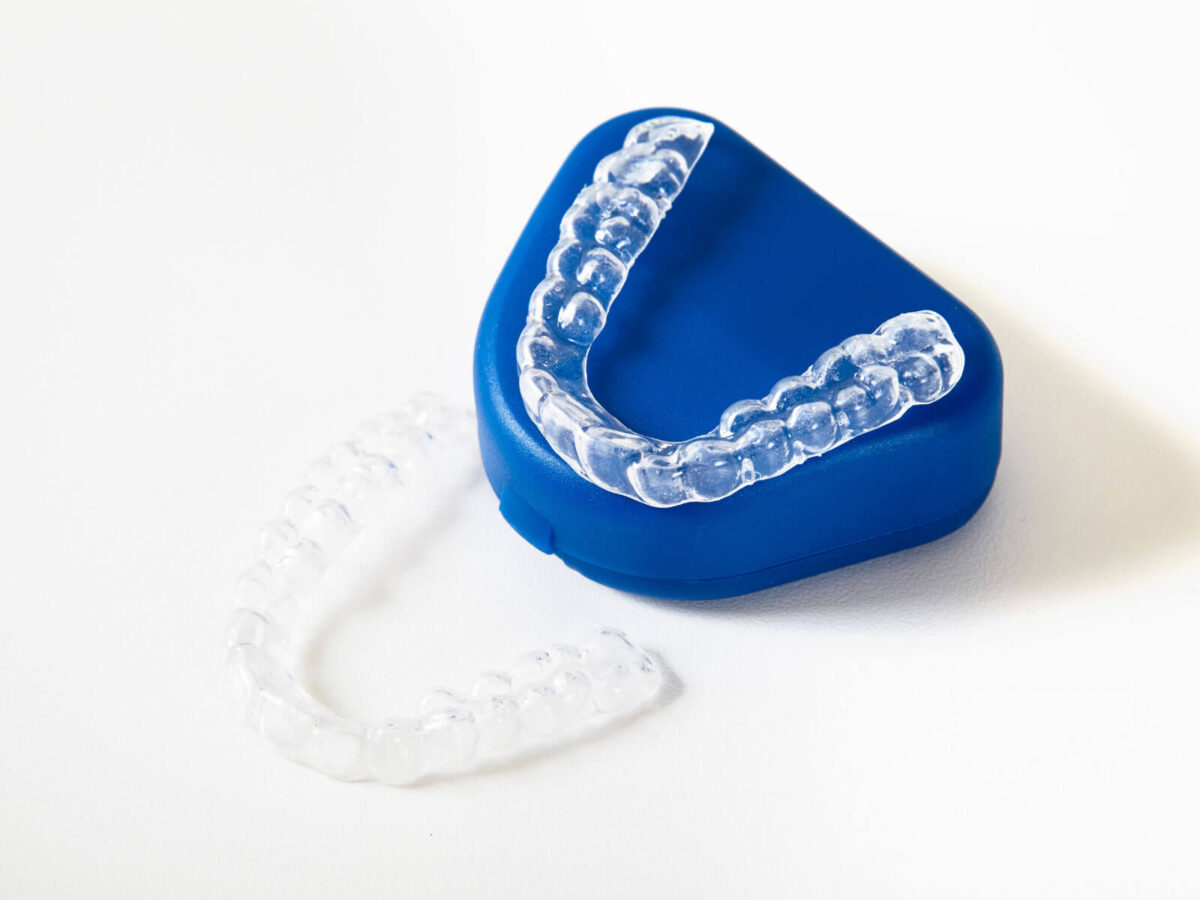
How Much Time Does Invisalign Treatment Take?
Why Treatment Time Becomes the Biggest Concern
When people consider straightening their teeth, appearance usually starts the conversation. But very quickly, practicality takes over. The first real question becomes timing.
Patients almost always ask “how long does Invisalign take” before discussing comfort or even cost. Life rarely pauses for treatment. Daily routines and confidence often play a role.
Invisalign is usually less noticeable in daily life. That advantage makes people hope results might also come faster. In most cases, treatment takes as long as progress allows.
Why Teeth Cannot Move Instantly
Tooth movement during orthodontic treatment happens gradually rather than through pressure alone. Bone and supporting ligaments surrounding each tooth slowly adapt as movement starts and the jaw responds naturally over time.
As aligners apply gentle and consistent force, the surrounding bone starts adjusting around the shifting tooth position. The body responds through a process known as remodelling, which happens gradually regardless of treatment type. Clear aligners allow teeth to move little by little as adjustments happen.
Invisalign treatment often lasts around eighteen months, whereas traditional braces may continue closer to twenty-four months, with overall treatment time varying according to each patient’s case complexity. Even when treatment progresses efficiently, tooth movement continues to occur gradually rather than all at once.
What the Average Invisalign Timeline Looks Like
Many patients understandably look for a simple timeline, hoping treatment can be reduced to one fixed number. No two orthodontic timelines look exactly the same. Teeth shift slowly, and individual progress tends to differ throughout treatment. For many patients, Invisalign treatment finishes somewhere between six and twenty two months.
Small spacing problems or minor corrections may finish fairly quickly, sometimes within six months. Moderate crowding often takes about twelve to eighteen months as teeth move little by little. Cases that involve bite correction or more complex alignment may take longer.
This is why the Invisalign timeline looks different for everyone. Two patients may start treatment together but finish at very different times. Progress often depends on how regularly aligners are worn during treatment.
Why Some Invisalign Treatments Move Faster
Some treatments move faster after aligners are started. Mild crowding or small gaps usually require fewer aligners, and teeth needing small corrections tend to respond more easily. Since movement is simpler, progress may seem very quick at the start.
Research looking at orthodontic treatments shows that aligner therapy can reduce treatment time in certain well-planned cases.
Many patients begin noticing improvement within six months. Final refinements may continue, though visible changes often appear before treatment is fully complete.
Why Compliance Quietly Controls Treatment Duration
One factor influences timing more than technology itself: consistency. Aligners are typically worn 20 to 22 hours per day for effective movement.
Removing trays frequently allows teeth to drift back toward previous positions. Skipping aligner wear for short periods can add up week by week. This is why two patients with identical treatment plans may experience very different Invisalign treatment duration outcomes. The system works best when routine becomes predictable.
Why Early Progress Often Feels Slow
At the start, Invisalign treatment may not feel very noticeable. New aligners can feel tight for a few days, then become comfortable again. Most of the changes happen quietly at first as teeth and gums begin adjusting. Since these early changes are hard to see, some patients feel like nothing is happening. In fact, teeth are already starting to move before visible changes appear.
As treatment continues, changes tend to appear more clearly in the later stages of the Invisalign treatment timeline, once initial positioning has been established.
When Results Become Noticeable
Many patients notice a clear change around the middle of treatment. Crowded teeth begin separating. Smile symmetry improves in photographs. Confidence often increases before treatment officially finishes.
Interestingly, motivation tends to improve at this stage. Patients become more consistent once progress becomes visible. Perception shifts even though tooth movement continues at the same biological pace. This phase often makes treatment feel faster than it actually is.
Why Refinements Sometimes Extend Treatment
Near completion, dentists frequently recommend refinement of aligners. These additional trays correct small rotations or bite adjustments that remain after major movement finishes.
Refinements are common and usually planned from the beginning. They help achieve precision rather than correcting failure.
Most aligner treatments happen in stages, and some patients may need two or three refinement scans during the process. While refinements can add a little extra time, they usually help results stay stable long term.
How Successful Invisalign Treatment Usually Is
Treatment time alone does not really explain everything. Progress often depends on how regularly aligners are worn and how treatment is planned from the beginning. Many patients notice steady improvement when their routines stay consistent. Reported success commonly falls between 80% and 96% in compliant cases.
Aligners continue to be used frequently for mild to moderate orthodontic concerns. In many situations, timing and results come down to both careful planning and patient commitment over time.
Why Adult Invisalign Timelines Can Differ
Many adults question whether orthodontic treatment takes longer later in life. Age can have some influence, though treatment timing usually depends on individual circumstances. Bone density, crowns or fillings, and past orthodontic work sometimes require movement to be planned more gradually. Crowns, fillings, or earlier treatments sometimes influence how movement is approached rather than how successful treatment becomes.
Research indicates that adult and teen Invisalign timelines remain broadly similar when aligners are worn consistently throughout treatment. For many patients, daily habits matter more than age during treatment.
What Comes Next After Invisalign Treatment?
Finishing aligners does not mean the teeth immediately stabilise. Retainers help maintain new positions while surrounding tissues adapt. Without retention, teeth naturally attempt to shift back. This phase protects the time already invested during treatment.
Even after teeth finish moving, treatment is not completely over. Even after aligners finish moving the teeth, orthodontists often consider retention part of the overall Invisalign treatment duration. Teeth do not instantly stay in place once alignment is complete.
Without retainers, teeth can slowly move back over time. Retainers help keep them in place while things settle. Keeping results usually depends on wearing retainers regularly and sticking to simple daily habits after treatment ends.
Why Patience Usually Produces Better Outcomes
While many patients hope treatment finishes quickly, teeth often need time to move safely. A steady pace helps reduce discomfort and allows results to stabilise properly. Faster movement can sometimes make alignment harder to maintain later. Invisalign treatment supports gradual progress, helping teeth adjust naturally instead of forcing rapid change.
Patients who understand this early usually experience fewer frustrations during treatment. When patients learn how long does Invisalign take, attention usually moves away from exact dates and toward gradual improvement over time.
FAQs
What is the usual treatment time for Invisalign?
Most treatments take about 18 months. It depends on complexity.
Can Invisalign work in six months?
Yes, small alignment cases may finish sooner.
What affects the Invisalign treatment timeline the most?
Daily wear consistency plays the largest role.
Is treatment time different between Invisalign and braces?
Many mild to moderate cases finish faster than traditional braces.
Conclusion
How long treatment lasts is not always the same for everyone, asking how long does Invisalign take. Alignment complexity, individual biology, and consistency with aligner wear can all influence timing. Many patients finish within twelve to eighteen months, but timing is rarely identical.
Understanding the Invisalign timeline often helps patients stay patient with treatment. Changes usually appear little by little, with noticeable improvement showing up after some time has passed.
With regular monitoring and consistent wear habits, Invisalign treatment usually produces dependable results. Patience and routine often shape how smoothly treatment moves from start to finish.

