
Blog
Dental hygiene tips for healthy teeth & gums
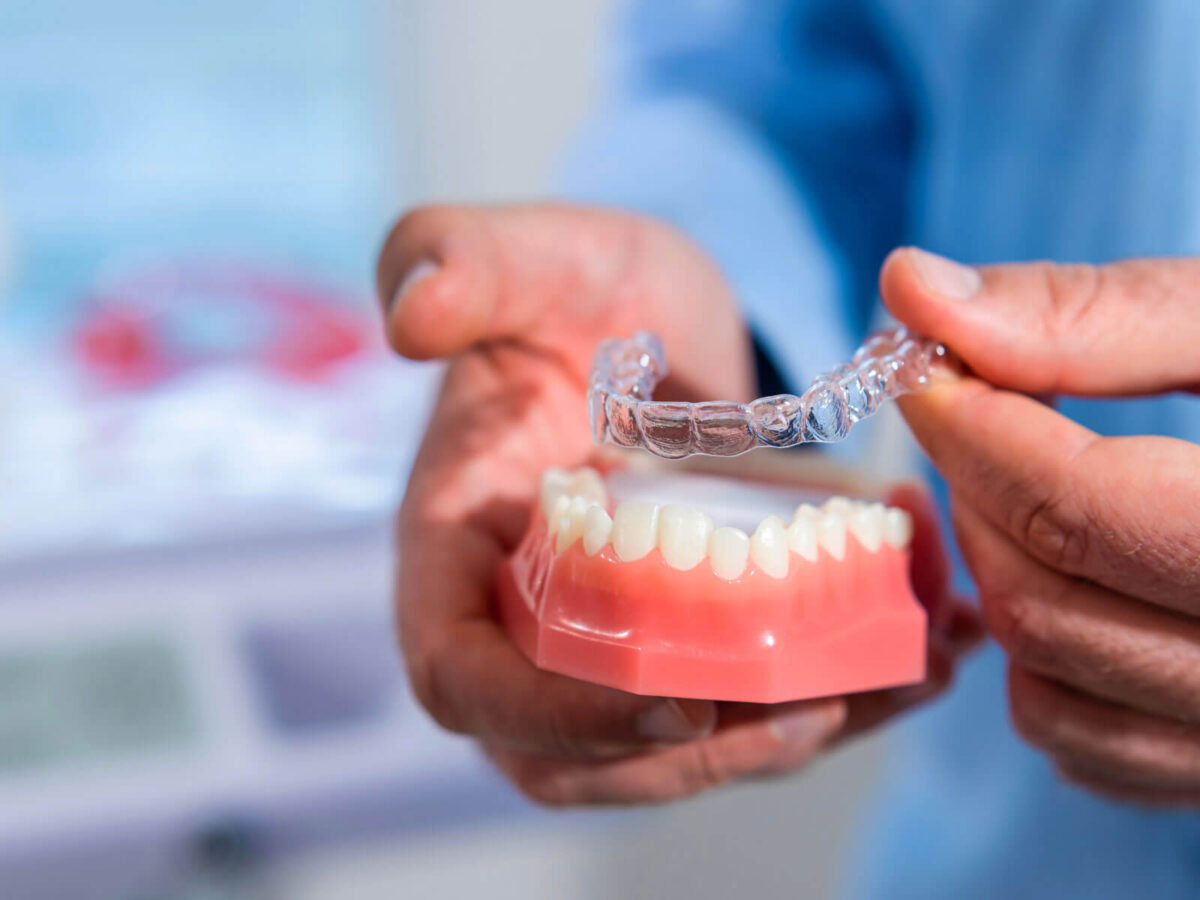
How Does Invisalign Work? Complete Guide
At first, Invisalign doesn’t always make sense. Without wires or brackets, it’s not obvious how teeth are supposed to move. Without visible wires or tightening appointments, it’s not obvious how teeth would actually move.
So naturally, people start wondering: “How does Invisalign work?” if there’s nothing obvious about the pulling. Invisalign treatment isn’t about big, obvious changes. It comes down to wearing a sequence of clear aligners, each shaped a little differently to keep things moving. That difference creates light pressure, and as you move through the sequence, your teeth slowly adjust.
The Science Behind Tooth Movement
Teeth don’t just “slide” into place.
If you keep steady pressure on a tooth, the body starts adapting in small ways. The bone around it responds and makes room for movement. On one side, bone tissue breaks down slightly. On the other side, it rebuilds. This controlled process allows the tooth to shift position over time.
Invisalign doesn’t change the science. It changes the delivery system.
Instead of metal brackets applying force, clear aligners are designed to apply very specific pressure points. And that pressure is planned digitally before you ever wear the first tray.
The question of how does invisalign work has a fairly simple answer. It uses the same natural response the body relies on during traditional orthodontics. Teeth move because the bone adapts. Invisalign just applies that pressure in a different way.
Where the Invisalign Process Actually Begins
It doesn’t begin with trays.
The Invisalign process starts with imaging. Either digital scans or impressions are taken to build a 3D model of your mouth. From there, the software maps out how each tooth needs to move.
This planning stage is surprisingly detailed. Every tiny shift is staged in advance.
Once the treatment path is finalised, a series of aligners is created. Each set is slightly different from the last. Each one nudges the teeth a bit closer to their intended position.
The movement isn’t random. It’s pre-programmed.
Wearing the Aligners: What It Actually Feels Like
The first time you put in an aligner, it feels tight. Not painful in a sharp way. More like pressure. Like your teeth are being held firmly in place.
That tight feeling usually eases up after a couple of days. You almost forget about it. Then it’s time to switch trays, and the snug feeling comes back for a bit. That pattern just becomes part of the routine.
Each tray is generally worn for one to two weeks. For it to work the way it’s meant to, the aligners need to stay in most of the day, close to 20 or 22 hours. The consistency matters more than anything else.
That part surprises people. Because while the aligners are removable, they’re only effective when they’re actually in your mouth.
When someone wonders how does invisalign work, they sometimes overlook this piece. It works because of consistency. If aligners are left out frequently, the teeth don’t receive steady pressure. And steady pressure is the entire point.
Attachments. Refinements. Adjustments
Sometimes you’ll see small tooth-colored bumps on someone’s teeth during Invisalign. Those are attachments.
They aren’t decorative. They help the aligner grip certain teeth more effectively. Think of them as anchors that improve precision.
Not everyone needs them, but they’re common in moderate cases. More complex cases may require additional refinements.
In some situations, after completing the initial series of aligners, a few extra trays are made to fine-tune the result. That’s part of the Invisalign treatment for many patients.
It’s rarely a perfectly straight line from start to finish. It’s more like gradual refinement.
How Long Does the Process Usually Last
The timing really depends on the person. Someone with mild crowding might be done in about six months. Another person with more shifting to do could need closer to a year or longer. If the bite itself needs correction, the process can stretch longer than that.
Teeth don’t shift quickly for a reason. Moving them too fast would stress the surrounding tissue, so the gradual pace is part of keeping everything healthy.
Is Invisalign Painful?
This is usually the second question after how Invisalign works.
Most patients describe discomfort as mild pressure, especially when starting a new tray. It’s often most noticeable at night when things are quiet. Unlike braces, there aren’t wires poking or brackets irritating the inside of your cheeks. That’s one reason many adults prefer clear aligners.
But “comfortable” doesn’t mean sensation-free. Movement always involves pressure. It just tends to be manageable. And because aligners are smooth plastic, there’s usually less soft tissue irritation compared to traditional braces.
When Invisalign May Not Be Ideal
For everyday alignment problems, Invisalign often does the job. Things like minor crowding or gaps respond well. Bigger jaw shifts or more involved bite corrections can be different, though. That’s when traditional braces may still be the better tool.
That’s why an in-person evaluation makes a difference. Clear aligners aren’t designed to replace every option out there. They’re one method among several. With Invisalign treatment, the details matter. The way the teeth need to move is what guides the decision.
FAQs
How does Invisalign work?
Both move teeth with pressure over time. Braces use wires and brackets that stay put. Invisalign relies on clear trays that you remove and replace.
How long does it typically run?
It depends. Some cases wrap up in several months. Others stretch past a year.
Is the treatment painful?
There’s usually some tightness when you start a fresh aligner. It doesn’t stick around long.
Can it fix all other issues?
Not all of them. It handles many alignment concerns, but severe cases may need something else.
Conclusion
When you step back, how does invisalign work isn’t mysterious at all. It’s controlled pressure, carefully staged, applied consistently over time.
The Invisalign process is quiet. It doesn’t draw attention. It doesn’t involve tightening wires. But it does require patience and discipline.
For many people, the ability to straighten teeth discreetly makes the commitment worthwhile.
The key isn’t whether Invisalign works in general. It’s whether it’s the right tool for your specific teeth. And that’s a conversation worth having before you begin.

