
Blog
Dental hygiene tips for healthy teeth & gums
What Is an Avulsed Tooth, and What Should You Do Immediately?
I once held my own front tooth in my hand, completely detached, and had no idea what I was supposed to do with it.
Nobody tells you beforehand that “what is an avulsed tooth” and what you do about it in the next thirty minutes are the same question. I knew to find a dentist. I didn’t know to go immediately, or that the tooth needed to stay wet, or that how I picked it up mattered.
I got lucky. The tooth went back in and stayed. But there were three or four moments where the outcome could have gone the other way, and I was making decisions based on nothing.
TL;DR
- What is an avulsed tooth: a tooth that comes completely out of its socket, root included. That’s what happened to me.
- Those cells on the root surface are what give tooth replantation a chance. Dry them out, and that chance disappears.
- Grab it by the crown, not the root. Rinse it if it’s dirty. Milk or your own cheek until you get there.
- The window is thirty to sixty minutes. I didn’t know that when it happened to me.
- Tooth avulsion first aid starts on the ground, not in the dental chair. What you do before you get there matters.
What Is an Avulsed Tooth
An avulsed tooth is one that has come completely out of its socket, crown, root, and the periodontal ligament attached to the root surface. Not pushed sideways, not loosened. Out. The socket is empty, and the tooth is somewhere else.
Upper front teeth are the most common because they’re the most exposed. Children between seven and ten are the most frequently affected group, during the years when permanent front teeth have erupted, but the surrounding bone is still relatively soft. I was older when it happened to me, but adults get avulsed teeth too.
The tooth itself is usually intact when it comes out. The question is whether the cells on the root surface can survive long enough to allow reattachment to the bone.
Why the First Few Minutes Matter
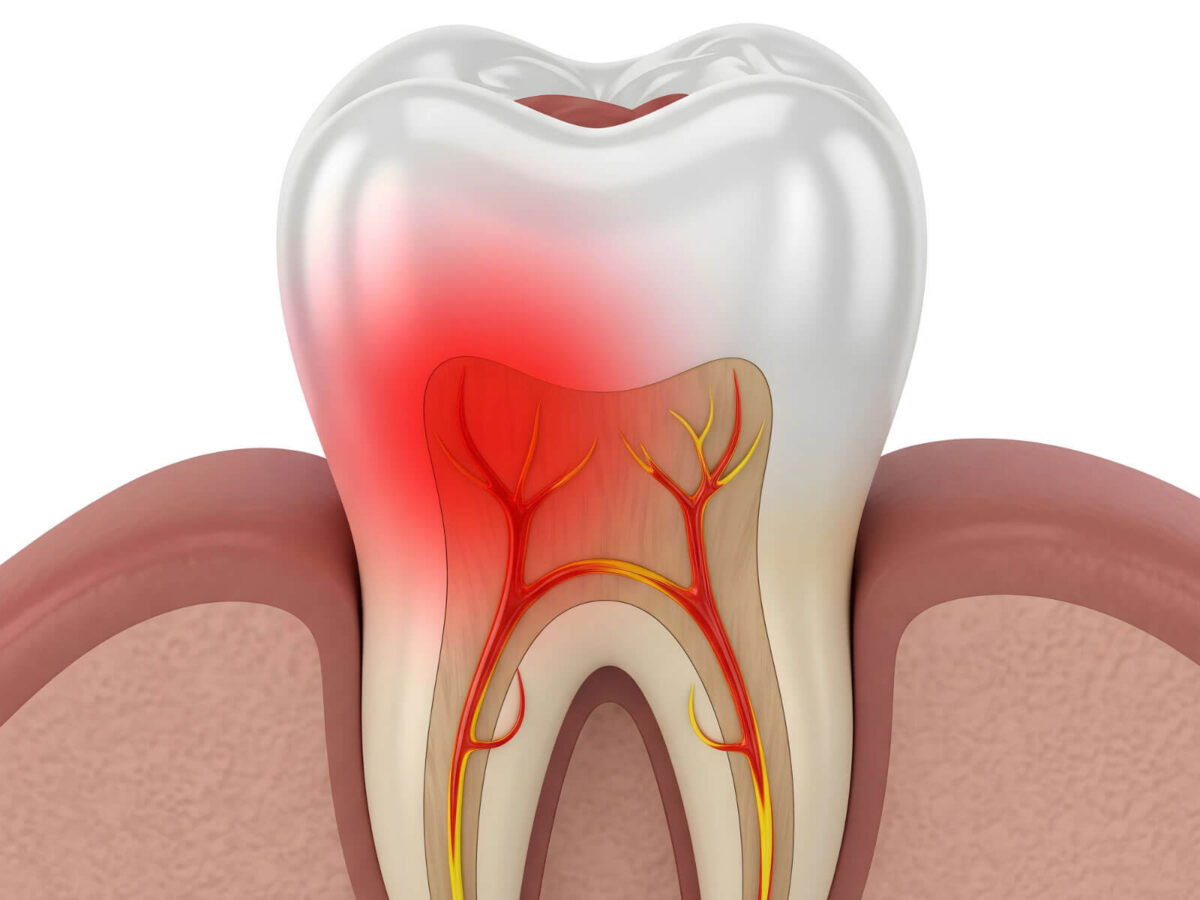
Running between the tooth root and the surrounding bone is a thin layer of connective tissue called the periodontal ligament. It’s what holds the tooth in place and what makes tooth replantation possible, because the cells in it are what allow the tooth to reattach.
When a tooth comes out, those cells start dying. They die faster when the root surface dries out, faster when the tooth is handled roughly, and faster the longer it stays out of the socket. I didn’t know any of that when I was holding mine.
A study published via NIH found that dry time outside the mouth is the single most significant predictor of replantation success. Within 30 minutes, the odds are good. Past an hour, they drop. After two hours of dry time, the ligament cells are largely gone, and putting the tooth back in at that point is temporary, not a save.
I had no idea how fast that window was closing.
What Should You Do Immediately for a Knocked Out Tooth
Hold it by the crown only. The root has cells clinging to it that you can damage just by touching them, and those cells are what give replantation a chance. I grabbed mine by the root first. Wrong move.
If it hit the ground, ten seconds under cold water is enough. No soap, no scrubbing, nothing on the root surface.
Nobody told me you could just put it back in yourself. My dentist said that’s exactly what I should have done – bite down on something clean and get in the car.
If replanting on the spot isn’t possible, the tooth needs to go into a storage medium right away. Milk is the best widely available option. The osmolality and pH keep the cells alive in a way that tap water doesn’t. Saliva works too, either by holding the tooth between the cheek and gum or in a small cup of the patient’s own saliva.
Water is a last resort. Better than dry, but not by much. Don’t wrap the tooth in tissue or cloth. Dry storage kills the cells faster than anything else.
What Does the Dentist Do When You Bring In an Avulsed Tooth
Call ahead if you can. I did this from the car, and they were ready when I got there, which made a real difference.
The first thing they do is check the socket for bone fragments and irrigate it. Then the tooth goes back in under local anesthesia, positioned the way it was sitting before it came out. A thin wire splint gets bonded across the replanted tooth and the adjacent teeth to hold everything still while the periodontal ligament starts to reattach. That splint stays on for about one to two weeks.
A root canal usually follows, not before replantation but after. The nerve inside doesn’t survive being knocked out. Without a root canal, it gets infected, and most dentists wait until the splint is off before doing it.
My dentist kept checking X-rays at each visit. The ligament either reattaches or it doesn’t, and you don’t know for a while which way it’s going. Some replanted teeth last decades. Others eventually fail. How well the tooth was handled before it arrived largely determines which way it goes.
What Tooth Replantation Success Actually Looks Like
When my dentist told me the replantation had worked, I thought that was the end of it. It isn’t always.
Root resorption is what limits long-term outcomes. After replantation, the body can start breaking down the root surface, and it doesn’t always announce itself. A tooth that’s held for five years can still eventually need to come out if resorption keeps going.
The American Association of Endodontists puts the three biggest factors as dry time outside the mouth, what the tooth was stored in, and how developed the root was at the time of injury. Younger patients with roots that aren’t fully formed sometimes do better, because the open tip can allow the blood supply to grow back into the tooth.
My tooth held. The root canal was done two weeks after replantation, and years later it’s still there. My dentist said the short dry time was the most significant factor.
Ready to Know What to Do Before It Happens?
Tooth avulsion first aid takes thirty seconds to learn and can save a tooth.
FAQ
What is an avulsed tooth?
A tooth that’s come completely out of its socket, root included. The socket is empty, and the clock starts immediately. I spent the first fifteen minutes of mine just standing there.
My tooth came out. What matters most in those first few minutes?
Hold it by the crown only, not the root. A quick rinse if it hit the ground. Back in the socket if you can manage it, or into milk, or against your cheek. Then move.
Is tooth replantation always possible?
Not always with a good outcome. Dry time is what decides it. Under thirty minutes and the chances are reasonable. Past an hour, putting it back in mostly buys time.
Do replanted teeth need a root canal?
Usually yes. The pulp doesn’t survive the avulsion in most cases, and leaving it leads to infection. It’s typically done a week or two after replantation, once the tooth has had time to stabilize.
Conclusion
“What is an avulsed tooth” is something I learned on the ground, tooth in hand, with no idea what the next thirty minutes were going to cost me if I got them wrong.
I got them mostly right, more by instinct than knowledge. The tooth came with me, I moved fast, and the dentist was able to replant it. What I didn’t know at the time – that the root shouldn’t be touched, that milk was the right storage medium, that putting it back in the socket myself was an option – would have made those thirty minutes less chaotic.
Tooth avulsion first aid takes about thirty seconds to learn. The window to use it is thirty minutes. Knowing it before it happens is the version of this story that goes better.
If you’re in Calallen and you’ve never thought about this, now is a better time than when you’re on the ground holding a tooth.
Know What to Do Before You Need To
Talk to a dentist about dental emergencies and how to handle them.

