
Blog
Dental hygiene tips for healthy teeth & gums
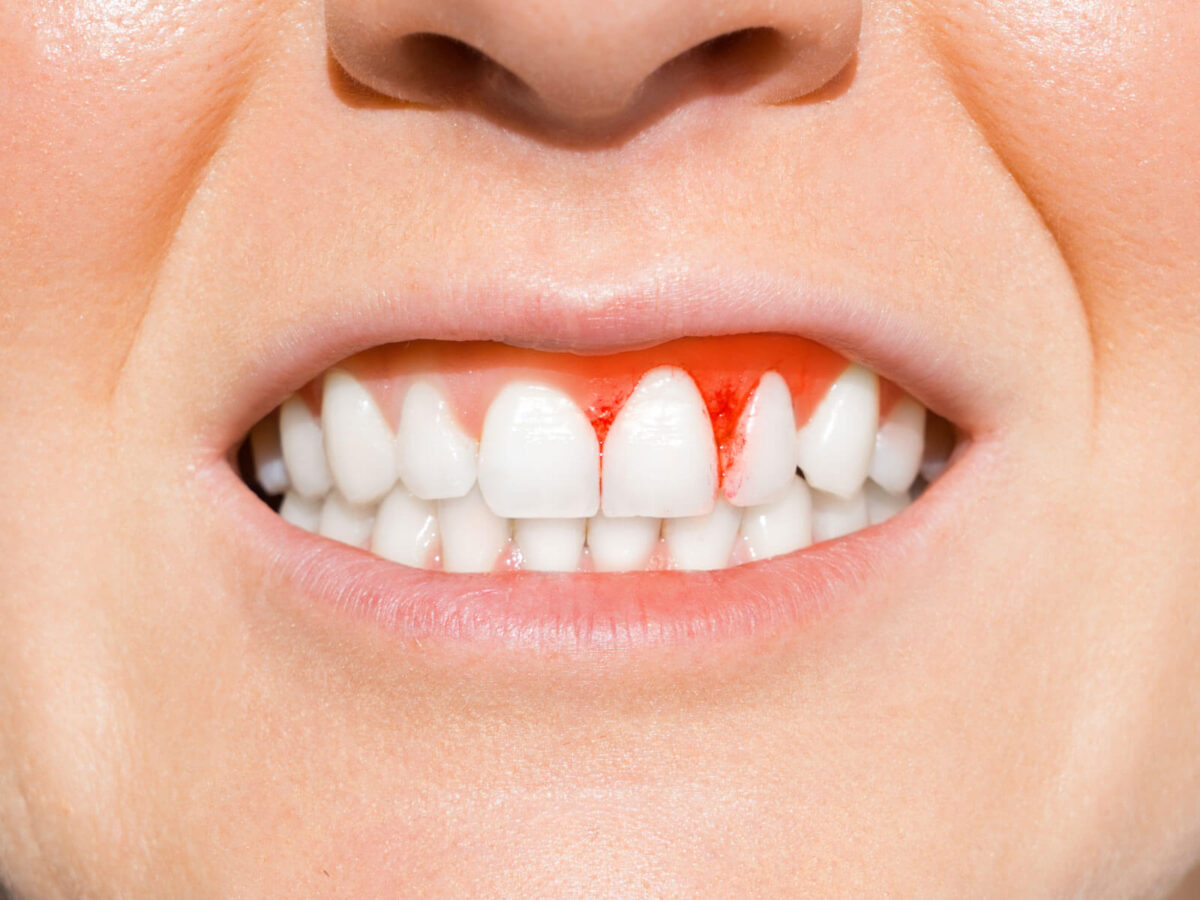
How to Stop Bleeding Gums: Causes, Home Remedies, and Treatment
Most people see blood when they brush and find a reason for it that isn’t the gums. The floss was too rough. The toothbrush is new. The angle was off. Then it happens the next morning. And the one after that. Until it just becomes background noise.
I’ve heard this from people who went eighteen months without mentioning it to anyone. There’s a specific moment when it clicks that healthy gums don’t bleed. Not occasionally. Not a little. Not from brushing too hard. When it’s happening consistently, something is actually going on.
The answer to how to stop my gums from bleeding is usually simpler than people expect. The harder part is getting there before it becomes something more serious.
So Why Are the Gums Bleeding
Plaque is the answer most of the time. Cleveland Clinic notes that bleeding gums are the number one sign of gingivitis, the earliest stage of gum disease.
Plaque is a bacterial film. It builds up on teeth and along the gum line, and when it’s not cleared out consistently, the gums react. They get red and swollen and bleed easily when touched.
The thing about gingivitis is that it rarely hurts. People go months without catching it because there’s no pain to push them toward the dentist. Just a little blood that disappears down the drain.
Left alone, it progresses. What started at the gum surface moves deeper, into the bone and tissue holding teeth in place. That’s periodontitis, and it’s a much harder problem to come back from.
What Else Could Be Causing It
A patient I spoke to recently had great hygiene. Brushing twice a day, flossing, the works. Still bleeding every time. Nobody had mentioned to her that pregnancy changes how gum tissue responds to bacteria. It can trigger bleeding that has nothing to do with how well you’re cleaning your teeth.
Cleveland Clinic lists hormone changes, vitamin deficiencies, blood disorders, and stress alongside plaque as causes. The gums are vascular tissue. What’s in the blood shows up there.
How to stop my gums from bleeding when hygiene isn’t the issue usually starts with looking at what else changed recently. A new medication, a pregnancy, a period of prolonged stress. Blood thinners specifically can make gum bleeding much more pronounced, and that’s something both the dentist and the prescribing doctor need to know about.
Is the Toothbrush Making It Worse
Not every case of bleeding gums is an infection. I’ve seen people switch from a firm bristle brush to a soft one and watch the bleeding stop within two weeks. The brush was the problem the whole time.
The ADA recommends soft bristles, two minutes, twice a day. Switching and easing up on pressure can change things within a week or two if that’s what’s driving it.
Flossing technique matters too. Forcing the floss down hard into the gum line causes bleeding that has nothing to do with bacteria. Going gently, following the curve of the tooth just slightly under the gum, is what actually cleans the space without tearing anything.
Does Diet Have Anything to Do With It
Honestly, yes, and it’s one of the last things people think to look at. Healthline found in a review of six studies that vitamin C supplements actually reduced gum bleeding in people with gingivitis. Most people aren’t deficient enough to notice anywhere else in their body, but their gums are already telling the story.
Vitamin K is worth looking into, too. When levels are low, gum bleeding that would normally stop quickly just doesn’t. It lingers in a way that’s hard to explain until someone checks.
Then there’s what the bacteria in the mouth are eating. Sugar and refined carbs are essentially feeding the plaque. A rough week of eating doesn’t cause gum disease, but six months of it is a different conversation.
What Does Smoking Do to Gums
Most smokers I’ve spoken to assume cigarettes make gum bleeding worse. It’s actually the opposite. Nicotine cuts blood flow to the gums. So the bleeding that would normally point to a problem just doesn’t come.
The CDC names smoking as one of the top causes of gum disease. Recovery after treatment is slower, too, and the immune response to the bacteria involved gets weakened.
Someone I know went through three cleanings in a year with minimal improvement. Flossing every night, soft brush, the whole routine. Still smoking. Quitting was the only thing that finally made a difference.
What Can I Do at Home
The answer for most people is less exciting than they want it to be. Soft toothbrush. Two minutes. Twice a day. Floss once, gently, every night. For early inflammation, that’s genuinely what shifts it.
A saltwater rinse helps while things are still inflamed. The ADA has a specific recommendation on how to make one. It calms the tissue down between brushing sessions without doing the heavy lifting.
Two weeks in with no change, antiseptic mouthwash is the next thing to try. Ask the dentist which one. The bleeding gums treatment that works isn’t complicated. It’s just the same things done every day until the tissue heals.
When Does It Need a Dentist
Two weeks of consistent home care with no improvement is the threshold I’d use. Cleveland Clinic notes that gingivitis is reversible with professional cleanings alongside improved home care. The issue is tartar, which is plaque that’s calcified on the teeth and below the gum line. A toothbrush doesn’t touch it. A professional cleaning does.
If it’s gone further than gingivitis, scaling and root planing is usually what the dentist recommends. I’ve seen people come in looking at a complicated situation and leave a few weeks later, saying they wished they’d done it sooner. It goes deeper than a standard cleaning and actually lets the tissue start healing properly.
Can Ignoring It Make Things Worse
Someone I know ignored bleeding gums for three years. Figured it was just how her gums were. By the time she went in, she was looking at bone loss on two teeth and a treatment plan that ran several thousand dollars. The gingivitis stage had long passed.
Cleveland Clinic puts periodontal disease at the top of the list for adult tooth loss. Her case wasn’t unusual. Just bleeding that kept getting explained away until it wasn’t gingivitis anymore.
The part that got her was learning the infection hadn’t stayed local. She went in expecting a cleaning and came out with a referral she hadn’t anticipated. Gum bacteria get into the bloodstream, and researchers have been finding connections to heart disease and diabetes for years now. Not something most people connect to a little blood on their toothbrush.
FAQ
Flossing is causing gum bleeding – should I stop?
Not normal, but not a reason to stop. The bleeding was already there before the floss. Keep going gently and give it a week.
Gum bleeding for months. How bad is it?
Bad enough. Book the appointment. Gingivitis left alone becomes something that costs a lot more time and money to fix.
Gum bleeding in my first trimester. Is that related?
Probably. Hormones make gum tissue react differently to bacteria during pregnancy. Very common. Bring it up at your next dental visit.
Someone told me to try mouthwash. Does it help?
Depends on which one. Antiseptic mouthwash with the ADA Seal cuts down bacteria. Won’t replace daily cleaning, but worth adding if the bleeding has been stubborn.
What Actually Gets It to Stop
Most people want a more interesting answer than this, but how to stop my gums from bleeding usually comes down to a soft toothbrush, daily flossing, and a professional cleaning if tartar has taken hold. That combination handles most cases.
What doesn’t work is waiting. I’ve seen people describe the bleeding as just how their gums are, something they’ve lived with for so long that it stopped registering. By the time they came in, the gingivitis had moved into something that needed a lot more than a cleaning.
Two weeks of consistent home care with no change is the point at which to book an appointment. Not next month. Now.

