
Blog
Dental hygiene tips for healthy teeth & gums
6 Signs You May Need Emergency Wisdom Tooth Removal
Wisdom teeth often arrive quietly. Many people only realize they exist when a dentist points them out during an X-ray. Sometimes, however, these teeth create sudden problems. Pain may appear overnight. Swelling may follow soon after.
Dentists often say that wisdom teeth rarely cause trouble immediately. The issue usually develops gradually. Pressure builds slowly beneath the gums. It helps to understand when emergency wisdom tooth removal might be needed. Acting early often prevents more serious dental problems.
Wisdom teeth problems are common. According to research by the American Association of Oral and Maxillofacial Surgeons, this problem is common. Many adults develop issues with wisdom teeth during their lives.
Because these teeth erupt later in life, there is often limited space for them to grow normally.
Why Wisdom Teeth Sometimes Become a Dental Emergency
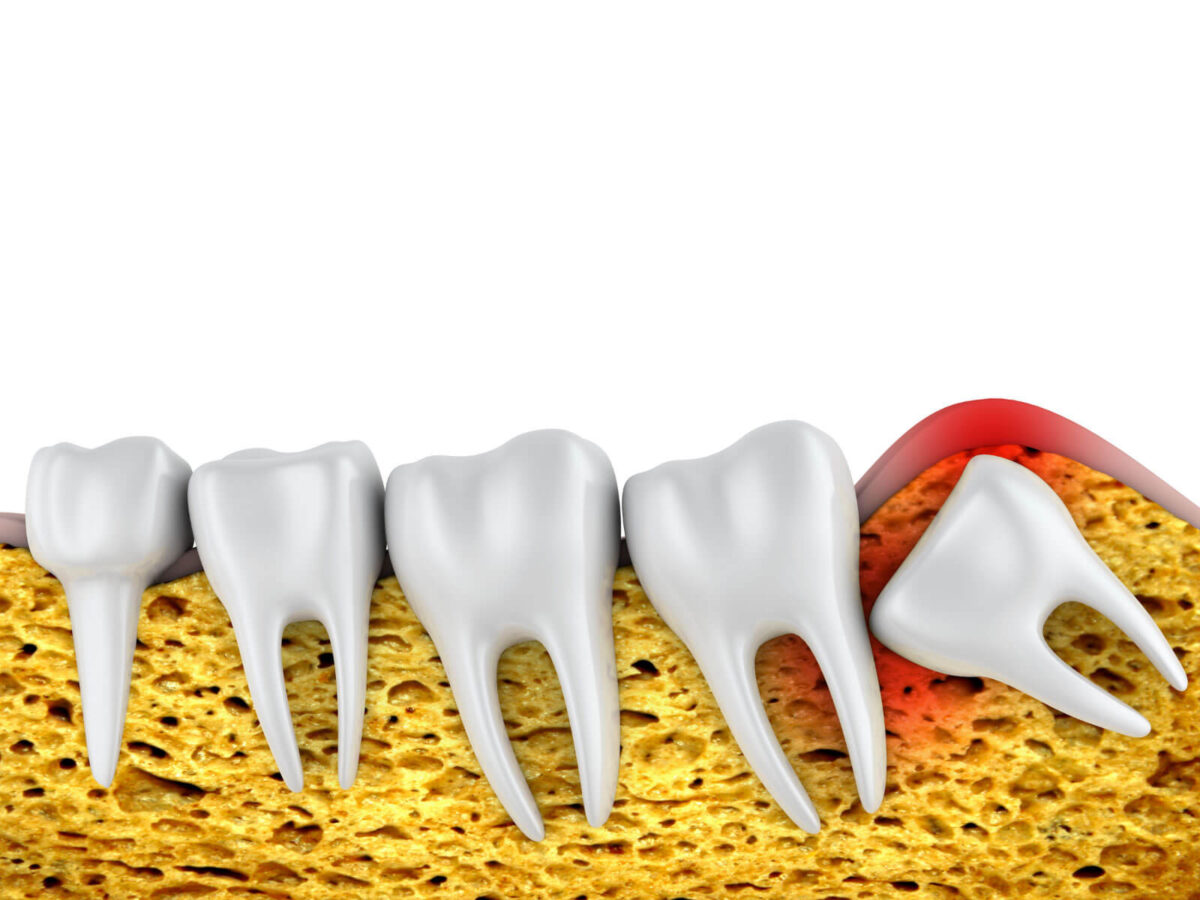
Wisdom teeth tend to appear during the late teenage years. Sometimes in the early twenties. By then, the jaw has usually finished developing. Space for additional teeth may be limited. As a result, wisdom teeth sometimes grow at unusual angles. Some remain partially trapped beneath the gums. Dentists call this condition impaction.
Severe pain or infection can change the situation quickly. Dentists may then recommend emergency wisdom tooth removal.
Extreme Pain Near Wisdom Teeth: What It Could Mean
The first sign is often pain near the back teeth. Early on, it may feel minor. Sometimes it only appears while eating. But if a wisdom tooth gets stuck, the pressure in that area can grow. The nearby gums may start to ache. Dentists regularly treat patients with severe throbbing pain. The discomfort can move toward the jaw. In some cases, it reaches the ear as well. This kind of pain often brings people to the dentist. Wisdom teeth cause it.
Why Swelling Around the Jaw Can Indicate a Dental Emergency: Wisdom Tooth
Swelling near the back of the jaw can occur with wisdom tooth infections. The gums around the tooth may look red. Sometimes they also feel tender. In some cases, the cheek may begin to swell slightly. This condition often develops when bacteria become trapped around a partially erupted tooth.
Food particles may collect beneath the gum flap covering the tooth. Dentists identify this type of infection as pericoronitis. According to the National Library of Medicine, pericoronitis is a common condition. It often develops during wisdom tooth eruption.
When swelling worsens, emergency removal of the wisdom tooth may become necessary.
How Difficulty Opening Your Mouth May Signal a Problem
Sometimes wisdom tooth infections affect nearby muscles. People may notice stiffness in the jaw. Opening the mouth wide becomes difficult. Dentists call this condition trismus. It can happen when swelling moves to other areas. The symptom usually comes along with swelling or pain. Jaw movement may start to feel restricted. Dentists may then recommend emergency wisdom tooth removal to reduce the pressure behind the inflammation.
Why Bad Taste or Pus May Appear During Infection
A continuous bad taste in the mouth can sometimes indicate infection. In certain cases, pus may drain from the gum area around the wisdom tooth. This occurs when bacteria accumulate in a pocket around the tooth. The infection may produce fluid that carries a strong taste or odor.
Dental professionals consider this a clear sign of a dental emergency wisdom tooth situation. Quick treatment helps prevent the infection from spreading to the tissues.
When Fever May Develop From Wisdom Tooth Infection
In some cases, severe dental infections can also cause fever. The body may increase its temperature while trying to fight the infection. Fever, together with swelling or wisdom tooth pain, is often a warning sign. Dentists usually treat the problem without delay. Waiting can make things worse. When infection spreads, it can travel from the tooth into the tissue. Sometimes, it can go inside the bloodstream.
The Centers for Disease Control and Prevention draws attention to this problem. Dental infections left untreated may become serious. Because of this risk, fever with swelling may require emergency wisdom tooth removal.
Why Damage to Nearby Teeth May Require Emergency Removal
In some mouths, wisdom teeth grow at an angle instead of straight. When this happens, they may push against the neighboring molars.
The pressure can slowly affect the tooth beside it. It may also create small spaces where food and bacteria get trapped. Cleaning these areas can be difficult. Dentists occasionally find cavities forming between the wisdom tooth and the adjacent molar during an exam. If bacteria begin to spread in that space, infection can develop.
Sometimes, the dentist sees that the problem is increasing. At that time, they may recommend emergency wisdom tooth removal. This can remove the pressure from nearby teeth. It also helps prevent further damage.
How Dentists Treat Emergency Wisdom Teeth Problems
When someone comes in with severe pain or swelling, the dentist first checks the mouth. An X-ray is usually taken as well. This helps the dentist see where the wisdom tooth is sitting. It also shows if the tooth is stuck under the gums. If infection is present, the dentist may start with medication. The goal is to bring down swelling and control the bacteria. Once the area settles, removal of the tooth may be recommended.
In some situations, waiting is not a good idea. Infection or swelling may keep getting worse. A surgeon may then suggest emergency wisdom tooth removal. The area is numbed first so the patient feels comfortable. The tooth is then gently removed.
How You Can Reduce Wisdom Tooth Complications
It is a common belief that wisdom teeth always need to come out. That is not always the case. Some of them grow normally and never disturb nearby teeth. When there are no symptoms, dentists may simply recommend watching them over time.
Seeing a dentist regularly helps monitor wisdom teeth over time. X-rays are usually used during these visits to look under the surface.
They show how the teeth are developing and whether something looks out of place. Finding changes early can make treatment easier if it becomes necessary. At home, small habits can also help. The back teeth need extra attention when brushing. A simple rinse after meals can help reduce bacteria near teeth that have only partly come in.
FAQs
What symptoms suggest emergency wisdom teeth problems?
Severe pain is common. Swollen gums may appear. Some people also develop a fever.
When is emergency wisdom tooth removal necessary?
When pain becomes intense. Infection and swelling can also require removal.
Can wisdom tooth pain go away by itself?
Sometimes it fades briefly. Persistent pain should still be checked.
Is wisdom tooth removal always urgent?
No. Many extractions are planned ahead.
Conclusion
For some people, wisdom teeth never cause trouble. They remain hidden under the gums or come in slowly without disturbing other teeth. Because nothing hurts, many people forget those teeth are even there. In those cases, no treatment is needed, and the teeth may stay that way for years.
At first, the change can be subtle. Sometimes it begins with a faint ache near the back teeth. Slowly, the discomfort can increase. The gums near that tooth may begin to swell. Some people notice that opening their mouth fully becomes difficult when eating. In a few situations, swelling along the jaw or fever may also occur. These changes sometimes point toward infection, which can lead to emergency wisdom tooth removal. Understanding the symptoms linked with emergency wisdom teeth helps people react before the condition worsens.
Pain should not be ignored. Sometimes it begins as a small ache. Nothing too serious at first. Then the discomfort lingers and starts interfering with normal things like eating or opening your mouth. A dental check can quickly reveal the cause. Reaching out to a dentist early makes the treatment much easier.

