
Blog
Dental hygiene tips for healthy teeth & gums
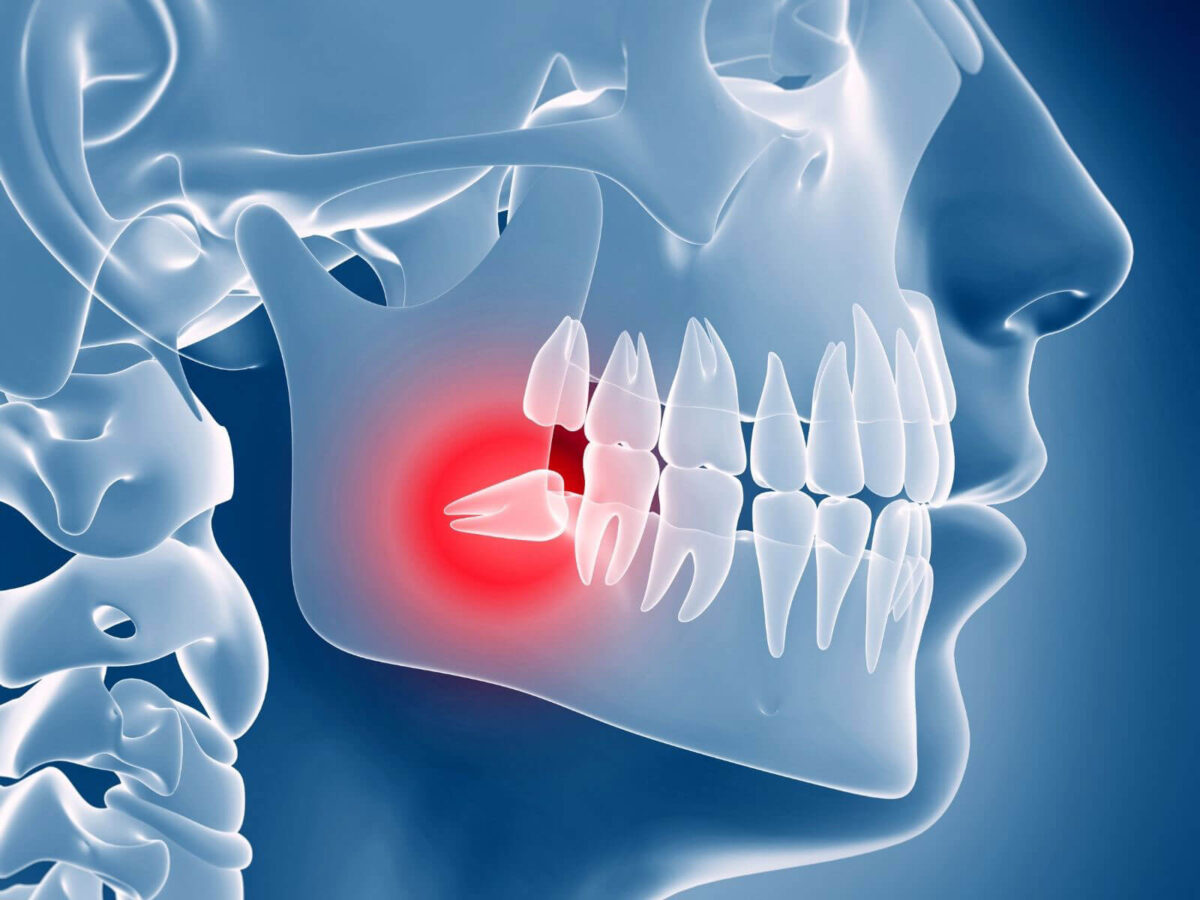
Benefits of 3D Dental Imaging: Why Dentists Prefer It Today
Some tools in dentistry work quietly in the background, opening parts of the mouth that once stayed hidden. They do not create a moment of surprise. They simply reveal things in a slower, softer way. Three-dimensional imaging belongs to this kind of tool. It moves around the face in silence, capturing shapes and spaces that feel untouched yet present. And it is often in these moments that the question of what does 3d dental imaging show starts to drift into the mind, not out of urgency, but out of curiosity that feels almost gentle.
The mouth holds more depth than a single picture can show. Each tooth sits within its own pattern. Each corner of the bone tells a quiet story. Older images flattened these details, leaving parts of the mouth out of sight. 3D imaging changes things by letting the structures appear gently from multiple angles. It feels less like looking at a picture and more like seeing the mouth turn toward the light on its own.
This is where the idea of what is 3d imaging starts to make sense, not from technical wording, but from seeing something known appear in a cleaner, more peaceful view.
How 3D Imaging Creates a View That Feels More Complete
The image forms in soft layers. A machine moves gently around the head, collecting information without touching the teeth or pressing against anything. It gathers parts of the mouth the way a quiet tide collects shells, slow and steady. What appears afterwards is a view that circles the bone, the roots, and the small spaces between.
This layered picture hints at the deeper meaning of 3d imaging in dentistry. It lets the dentist study a tooth’s curves from above, the side, and even the back, all without asking the patient to shift.
Shapes that once hid in shadow become clear, and the whole process feels less like a procedure and more like a quiet look inside. The clarity is soft, not sharp. It shows details inside the mouth that older images couldn’t touch.
How the Deeper Layers Bring Calm Confidence to Treatment
When the dentist can see more, planning becomes steadier. A hidden bend in a root. A small hollow in the bone. A pathway a nerve follows. These details appear softly, offering guidance rather than warnings. The dentist does not have to imagine what lies beneath. The picture already shows it.
Understanding what does 3d dental imaging show includes these tiny spaces that often go unnoticed. Cracks inside a tooth may appear as faint lines. Infection may reveal its shape in ways that once required guesswork. These quiet insights help dentists choose gentler paths during treatment, making each step feel smoother and more certain.
Patients may not see every layer, but they feel the difference later, in the way procedures become simpler, and the mouth heals with fewer surprises.
How the View Supports Implant Planning Without Rush
Implants depend on knowing where the bone feels strongest. A small shift in depth or width can shape the entire process. With 3D imaging, the dentist is no longer tied to one angle. They can follow the bone’s shape calmly, seeing its rises, curves, and softer resting points.
This is one of the soft strengths of 3d imaging in dentistry. It guides the dentist in seeing where an implant can sit, how deep it should go, and how well the bone can support it. The plan becomes clearer, and there’s no need to hurry; everything follows the mouth’s own shape. It becomes less about guessing and more about listening to what the image reveals through its quiet precision.
How Root Canal Treatment Becomes Smoother With 3D Views
Inside each tooth, small canals twist in ways that cannot always be seen on traditional images. They move like narrow pathways, branching softly and turning without warning. When these canals are not fully understood, treating them becomes more difficult.
Three-dimensional imaging brings these canals into view. It shows their bends, their length, and their shape. It turns the hidden into something gently visible. This is another way to sense what does 3d dental imaging show, as it reveals the parts of the tooth that most people never imagine. And with this visibility, treatment becomes more complete, and the tooth receives care with a deeper understanding.
Seeing Jaw Patterns Through a Clearer 3D View
The jaw moves through life with its own rhythm. It carries the weight of chewing, speaking, and resting. Over time, small shifts show up that may not feel noticeable but matter for dental care.
Three-dimensional imaging shows the jaw in its true form. It reveals how the bone sits, how the joints rest, and how the teeth connect with one another. This fuller image becomes a gentle way to understand what is 3d dental imaging is as it relates to alignment, comfort, and long-term health.
Dentists use these images to see if a tooth leans softly into its neighbour, if the jaw holds a little tension in one area, or if the bite needs gentle guidance. The imaging does not change the jaw. It simply shows what has been there all along.
How Early Issues Become Easier to Notice
Some dental changes hide beneath the surface until they grow. Tiny cysts or slow bone changes can sit unnoticed for years. Traditional films offer just a narrow look. 3D images show the fuller story.
This gentle revealing becomes one of the quiet benefits of 3d dental imaging. It does not rush to find problems. It simply illuminates the deeper spaces where changes begin, allowing dentists to respond early and softly. Treatment that starts sooner often feels simpler and more comfortable.
How the Patient Understands Their Mouth Through Clearer Images
For many people, understanding their dental health becomes easier when they can see it. Three-dimensional images make this possible. The dentist can point out how a root turns, where a tooth settles, and how the bone holds the jaw steady. These views make everything feel clearer.
This clarity sits at the core of 3d dental imaging benefits. It makes the unknown feel easier to understand. Patients get to look at what they once only imagined, and that pulls them closer to their care.
Why the Technology Feels Quiet and Easy
The scan itself rarely feels like technology. It takes only a short moment. There is no pressure inside the mouth. The machine simply moves around the head, gathering information while the patient remains still.
This calm process shapes the meaning of what is 3d dental imaging. It blends clear detail with comfort, letting both the dentist and the patient feel more peaceful. Nothing hurts, and nothing feels strange. Only a quiet capture of the mouth in its natural form.
Why Dentists Prefer 3D Imaging Today
Dentists choose 3D imaging because it reveals the mouth as a whole rather than in fragments. It shows what the eye cannot. It offers gentle certainty where older tools offered only partial views. It supports planning for implants, root canals, orthodontics, and many other treatments with calm precision. Understanding what does 3d dental imaging show becomes easier when the images appear. They bring the deeper layers of the mouth into clear and steady focus, helping treatments feel more predictable and more natural.
Taking a Quiet Step Toward Clarity in Dental Care
A soft conversation with a dental professional can help someone understand how 3D imaging fits into their care. A single scan can offer insight into hidden spaces and guide treatment with calm confidence.

