
Blog
Dental hygiene tips for healthy teeth & gums
Why Dental Sealants Are Important For Your Child
Being a parent means you’re always thinking about something. Lunch boxes. Homework. The great disappearing-sock mystery. And then there’s your child’s teeth.
You might already be brushing and flossing with them every day. Maybe you’ve even swapped soda for water at home. Yet… those back teeth still make you nervous. They’ve got little grooves and pits that seem like food magnets. Even the best toothbrush has trouble with those spots.
That’s when your Calallen Pediatric Dentist might suggest dental sealants. Sounds fancy. Really, it’s simple, and it might be the easiest way to give your child’s teeth a fighting chance against cavities.
What Dental Sealants Actually Are
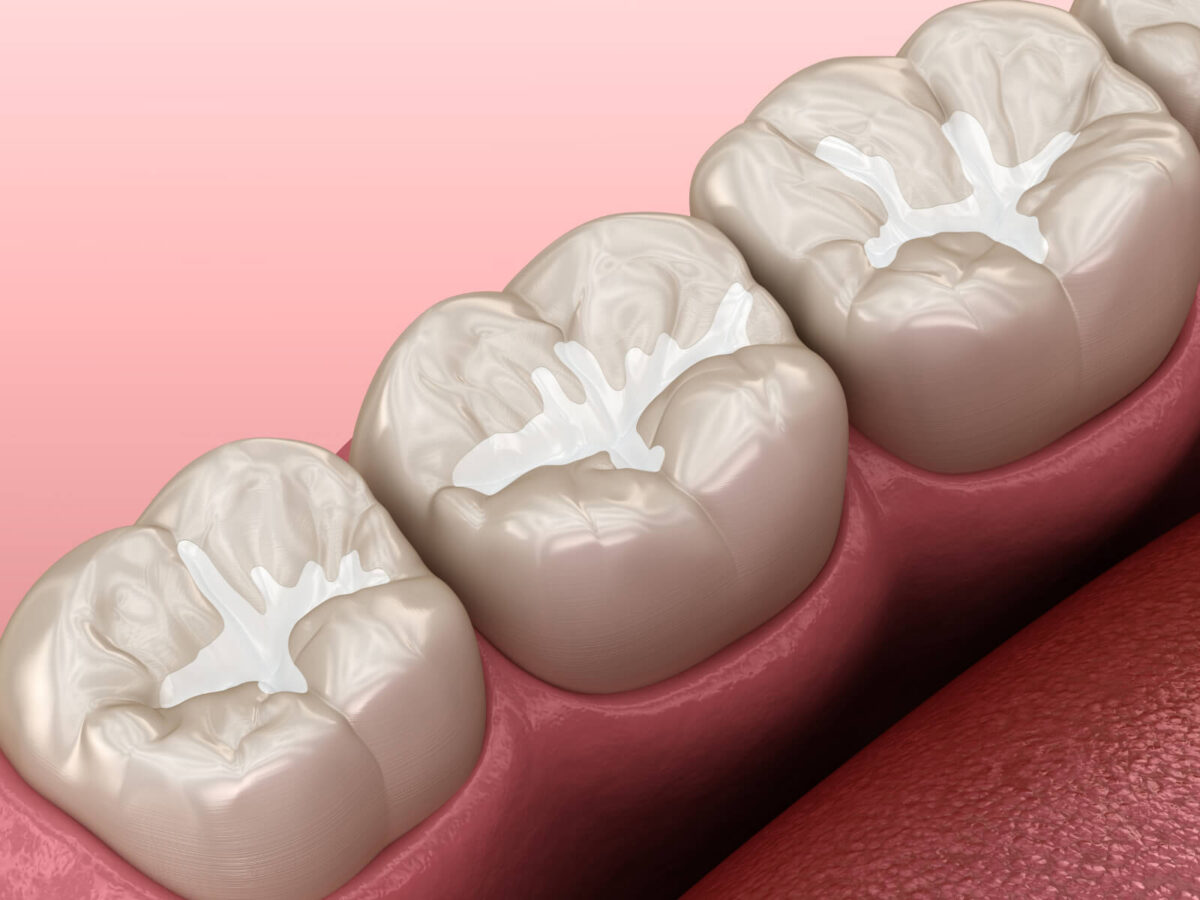
Think of a dental sealant like a raincoat. Not for your kid, but for their molars.
It’s a thin layer painted right onto the chewing surfaces of the back teeth. Once it’s on and hardened, it blocks bacteria and food from settling into those deep grooves.
And no, there’s no drilling. No shots. It’s painless. Honestly, the weirdest part for kids is just sitting still for a couple of minutes.
Why Kids Benefit More Than Adults
Here’s the thing: kids have thinner enamel. That means cavities don’t just sneak in—they sprint. And let’s be real, brushing habits in children can be… hit or miss.
Sealants act like an invisible shield. They don’t replace brushing, but they’re a backup plan when your child does a 15-second “I brushed!” and runs off to play.
When your Calallen Dentist, TX, recommends them, it’s not because your child’s teeth are in bad shape. It’s because they want to keep it that way.
When’s the Right Time?
Dentists usually suggest sealants when the permanent molars come out. That’s around age six for the first set. The second molars arrive around age twelve.
Why so early? Because the moment a cavity starts, sealants are out. You can’t seal over decay; it has to be treated first. Think of it like locking your front door before a burglar even thinks about showing up.
What Happens During the Visit
If you’ve ever sat through a long dental procedure, you’ll be surprised at how quick this is.
First, the dentist or hygienist cleans the tooth. Then they brush on a gel that makes the surface slightly rough. It might seem a little odd at first, but that faint roughness is what helps the sealant really grab on. They’ll rinse the gel away, maybe give the tooth a quick check, and then dry it off so it’s ready to go.
Then, with a small brush, the dentist paints the sealant over the surface, kind of like putting a protective coat on a nail, only this one guards your tooth. Finally, a special light shines for a few seconds to harden it. Done.
Some kids think the blue light is the “magic part.” One little boy told me once that it looked like something from a superhero movie.
How Long Do Sealants Last?
They can stick around for years—often five to ten. That’s a long time in kid-years.
At checkups, your Calallen Pediatric Dentist will look at them to make sure they’re still intact. If one chips or wears away, it’s easy to patch.
Are They Safe?
This comes up a lot. Parents hear “sealant” and immediately think chemicals. Sealants have been used for decades. They’re safe for children, and the amount of BPA—if any—is far below what you’d find in everyday items like plastic food containers.
If it’s still on your mind, your Calallen Dental Office TX, can tell you exactly what material they use.
What About the Cost?
The good news is that a lot of dental insurance plans will cover sealants for kids, especially when it comes to their permanent molars. And if you don’t have coverage, it’s still usually much cheaper than dealing with a cavity down the road.
It’s one of those rare moments where prevention is cheaper than the cure.
Why Toothbrushes Can’t Do It All
Molars aren’t smooth. They’ve got ridges and dips. You can’t always see them, but you can feel them with your tongue. A toothbrush bristle is just too big to get into those narrow spots.
It’s like trying to sweep dust out of a sidewalk crack. No matter how much you sweep, something stays behind. That “something” eventually causes decay.
Sealants smooth those areas out, so food doesn’t stick, and brushing works better.
Sealants and Cavity Prevention
The numbers are there: kids with sealants get way fewer cavities. Your Calallen Pediatric Dentist probably has their own success stories. Children who get them early often go years without needing a single filling.
It’s not luck. It’s protection that’s always there, working in the background.
Sealants for Baby Teeth?
Not always, but sometimes. If a child is at high risk for cavities, even baby molars can get sealants. Some dentists recommend it if the grooves are deep or if there’s already a history of decay.
Baby teeth might be temporary, but they matter. They help with chewing, speech, and holding space for grown-up teeth. Losing them too soon can mess with alignment and cause bigger dental problems down the line.
How Kids Handle It
Most children do fine. No pain, no scary sounds. Just cleaning, painting, and a light. Some dental teams make it fun. They’ll say things like, “We’re putting on your tooth’s raincoat.” Little touches like that turn the visit into something positive.
Caring for Sealants at Home
Sealants aren’t a pass to skip brushing. The rule hasn’t changed: brush twice a day with fluoride toothpaste. Flossing too.
Now, those back teeth are just a bit easier to keep clean, which is the whole point. But here’s the thing: if you’re still crunching on ice or chewing hard candy, you can chip the sealant. Better to skip that altogether.
Myths You Don’t Need to Believe
- Myth: Sealants are for kids with bad teeth.
- Truth: They work best on healthy ones.
- Myth: Sealants hurt.
- Truth: They’re completely painless.
- Myth: Sealants replace fluoride.
- Truth: They’re partners, not substitutes.
Why Dentists Recommend Them So Often
Dentists know where cavities like to hide. They’ve seen the same problem spots for years. That’s why they keep suggesting sealants; it’s one of the simplest ways to block decay before it even begins.
If your Calallen Pediatric Dentist brings it up, they’re thinking long-term protection, not a quick fix.
Questions Worth Asking at Your Next Visit
- Are my child’s molars ready for sealants?
- Will insurance cover them?
- How long will they last?
- How do we care for them at home?
Final Takeaway
Sealants aren’t complicated. They don’t take much time. But they can make a huge difference in your child’s dental health. If your Calallen Pediatric Dentist says it’s the right time, it’s worth doing. Early action now could mean fewer fillings, fewer dental visits, and a happier smile for years. When it comes to protecting a child’s teeth, small steps now have a way of paying off big later. And this one? It’s as small and as powerful as it gets.

