
Blog
Dental hygiene tips for healthy teeth & gums
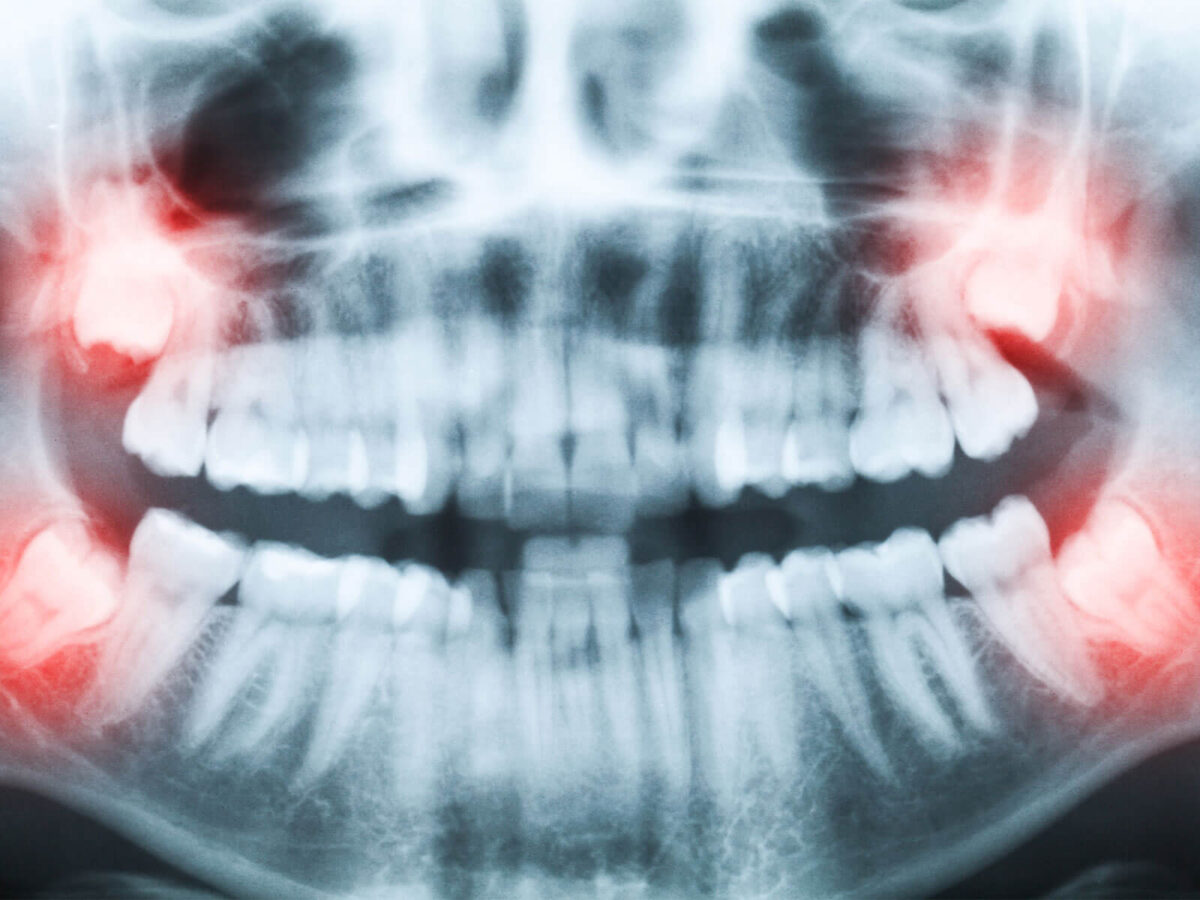
How Often Should You Get Dental X-Rays?
People often ask this like there’s one fixed number everyone is meant to follow. Once a year. Every two years. Only when something starts hurting. It sounds neat that way, but dental X-rays don’t really work on a fixed timetable like that.
Dental X-rays aren’t really scheduled by one fixed rule. They’re usually based on what’s going on at the time, along with things that have happened before. A lot of that isn’t obvious during a regular exam. That’s why “how often should you get dental X-rays” sounds easy, even when it isn’t.
Why Dental X-Rays Aren’t Taken On A Fixed Schedule
From the outside, a mouth can look fine. Teeth look clean. Gums don’t hurt. Nothing feels wrong. But inside the mouth, things can be very different. Cavities can grow between teeth. Bone levels can slowly change. Infections can sit quietly without causing pain.
That’s the reason dentists don’t rely only on what they can see. At the same time, they don’t take X-rays just out of habit. The decision around “how often should you get X-rays at the dentist” is based on risk, history, and what’s happening now, not on a calendar reminder.
Why New Patients Often Need X-Rays Right Away
When someone comes into a dental office for the first time, there’s not much history there. No old X-rays. No earlier records. Just what can be seen in that moment. Dentists don’t automatically know what’s normal for that mouth and what isn’t.
That’s usually why X-rays come up early. Not because something hurts, and not because there’s a problem expected. They’re just used to get a starting picture. Old fillings, past work, things that don’t show on the surface, and bone level too, which you can’t really guess by looking.
Once those images exist, they matter later. New X-rays get compared back to them. That comparison ends up being more useful than the first image itself. That’s why first visits often feel X-ray heavy, even when everything feels fine.
How Cavity Risk Changes X-Ray Frequency
Some people rarely get cavities. Others still seem to get them, even when they’re careful. Genetics has a say in it. Diet and saliva matter. Oral hygiene does too, but it isn’t the only thing.
If someone gets cavities often, dentists may recommend X-rays more frequently. Not because something is wrong, but because problems tend to develop quietly in those mouths. In contrast, someone with low cavity risk may go longer between images.
This difference is a big part of answering “how often should I get dental X-rays”, because risk matters more than age alone.
Why Bitewing X-Rays Are Taken More Often
Bitewing X-rays are used a lot to look for cavities between teeth. Those areas are easy to miss just by looking. Teeth can look clean. Nothing obvious shows up during the exam. That doesn’t always mean nothing’s going on.
Cavities between teeth are easy to miss just by looking. Because of that, bitewings end up being taken more often than most other X-rays. The timing depends on cavity risk. For some, that may mean once a year. For others, it could be longer. This is where people often notice differences between visits and wonder why timing isn’t consistent.
How Gum Health Influences X-Ray Timing
X-rays aren’t only about cavities. They also show bone levels around teeth. Bone loss happens slowly, and early changes don’t cause pain.
If someone has gum disease or a history of it, X-rays may be taken more often to monitor bone changes. If gums are healthy and stable, imaging may be spaced out more.
This is another reason there isn’t a single answer to “how often should you get dental X-rays”.
Why Children And Teens May Need X-Rays Differently
Children’s mouths don’t stay still for very long. Teeth are coming in, roots are forming underneath, and adult teeth are slowly moving into place. What looks fine one year can look completely different the next, sometimes in ways you wouldn’t expect just by looking.
X-rays help keep track of all that movement and development. They also help catch cavities early, especially between teeth, where daily cleaning can be harder for kids to manage consistently. A tooth can look fine on the surface while something small is starting underneath.
Because there’s so much change happening during certain stages, children may need X-rays more often for a period of time. As growth slows and things settle down, that frequency usually drops off too.
Adults With A History Of Dental Work
Fillings and root canals don’t just fix a problem and disappear from the story. Over time, they can change how a tooth responds and how it wears. X-rays help keep an eye on that existing work and catch small issues before they turn into bigger ones.
For adults with a lot of dental history, imaging is often based on what’s already in the mouth, not just what hurts right now. That longer view helps reduce unexpected problems later on.
Why Pain Isn’t A Reliable Guide
Many people assume X-rays are only needed when something hurts. The problem is that many dental issues stay quiet for a while. Pain usually doesn’t show up until things are more advanced.
Cavities between teeth, early infections, and bone loss can all progress quietly. By the time pain shows up, treatment is often more involved.
This is why dentists don’t wait for discomfort to decide how often you should get X-rays at the dentist.
Modern Dental X-Rays And Safety
Modern digital X-rays use much lower radiation than they used to. The exposure is small, especially compared to older equipment, and for most people, it isn’t something they notice or feel at all.
Even so, dentists don’t take X-rays just to take them. They still try to limit exposure and usually order images only when they expect them to add useful information. Safety matters in that decision. But so does the risk of missing something that can’t really be seen without imaging.
That back-and-forth matters. It’s what shapes how often you should get dental X-rays. Not a strict rule. More of a balance that gets adjusted as things change.
If X-Rays Keep Getting Delayed
When X-rays keep getting delayed, issues can worsen. Tiny cavities grow bigger. Bone loss continues. Choices shrink. Imaging at the right intervals helps spot changes sooner. Treating things earlier is often easier and less invasive.
What X-Rays Don’t Replace
X-rays aren’t meant to replace exams or cleanings. Some things still need to be seen in person or explained by how something feels. Dentists usually combine all of that. What they notice during an exam, what you describe, and what the images show all get considered together.
How Dentists Decide In Real Life
Dentists don’t follow a strict formula. They review history. They assess risk. They listen to concerns. Then they decide whether imaging is needed now or later.
That flexible approach is why “how often should you get dental X-rays” doesn’t have a fixed answer. It can change as time passes, even for the same person.
Conclusion
There isn’t one number attached to the question “how often should you get dental X-rays”. It’s a moving target based on risk, history, and current findings.
For some people, X-rays are needed more often. For others, much less. What matters is that imaging is used thoughtfully, not automatically and not avoided out of fear.
If you’re unsure about “how often should you get X-rays at the dentist”, it usually comes up at some point anyway. A short conversation about your history and risk tends to explain why images are taken sometimes, and not other times.

