
Blog
Dental hygiene tips for healthy teeth & gums
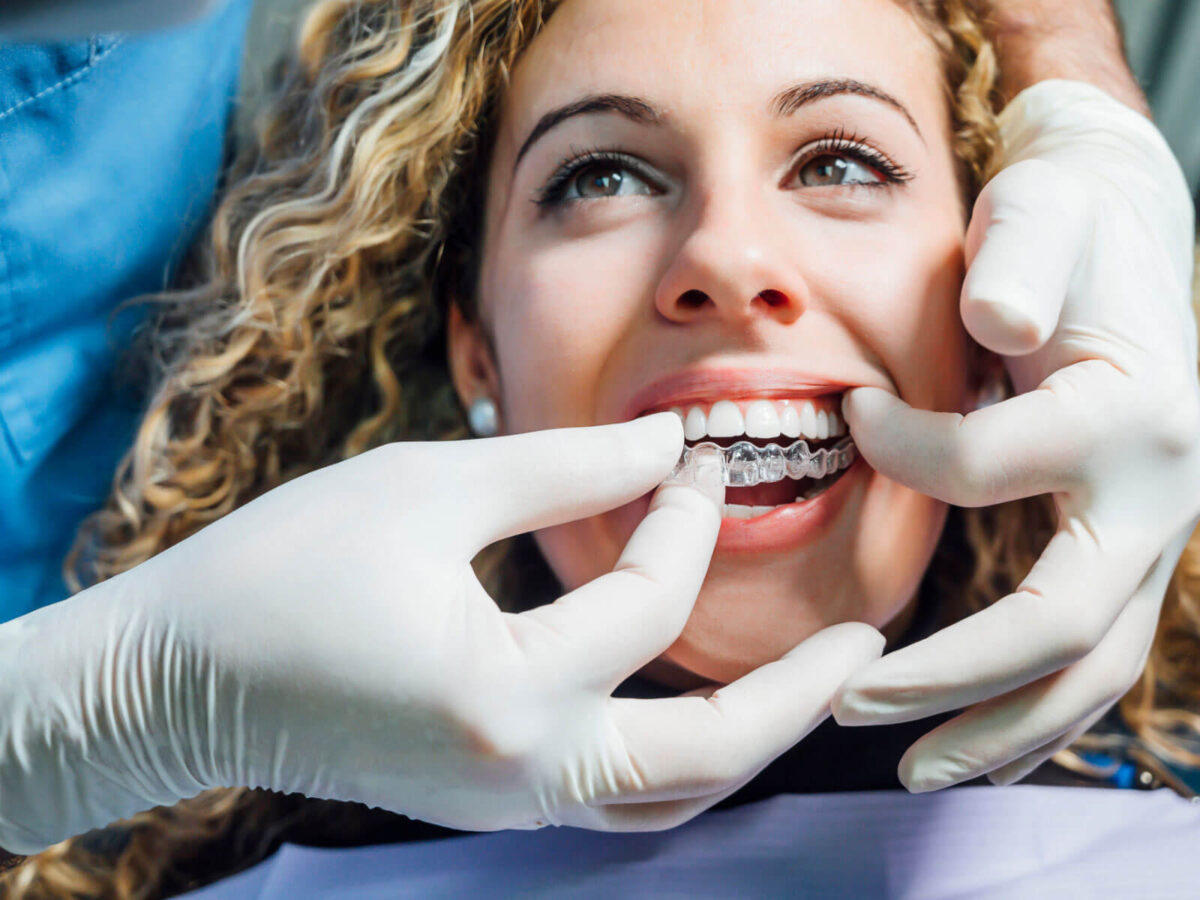
How Much Does Invisalign Cost? Complete Guide
As soon as people begin looking into teeth straightening, Invisalign tends to come up pretty quickly. It looks simple. Clear trays, no metal and no wires. Then the next question follows almost immediately: how much does Invisalign cost?
That question matters. Orthodontic treatment is usually a longer commitment that involves patience and money. Cost becomes part of the picture when Invisalign is being considered. That number isn’t fixed and can change based on individual needs. The customised nature of Invisalign treatment plays a big role in why costs aren’t the same for everyone.
What Does Invisalign Treatment Involves
The Invisalign process is meant to be gradual. Aligners are worn and replaced as time goes on, and the movement happens in small steps. Nothing shifts all at once. Instead, small changes build in the background and slowly reach a point where they’re easier to see.
When people explain what they enjoy about Invisalign, removable aligners tend to be mentioned early. Being able to take them out for meals and everyday cleaning keeps routines mostly unchanged. For many adults and teens, that feature feels simpler than dealing with braces.
The planning behind Invisalign happens on a computer. Dentists and orthodontists use scans to plan how teeth will move over time. Those aligners are then shaped to match the plan and carry the process through over time.
What Is The Average Cost Of Invisalign
Most people asking about Invisalign costs aren’t hoping for an exact number. They’re usually just trying to understand the general range. In many situations, the average cost of Invisalign treatment ends up somewhere between a few thousand dollars and several thousand dollars, with some cases falling below that and others landing higher.
That difference usually comes down to how much correction is needed. Minor alignment concerns tend to require fewer aligners and less time. More complex cases involve additional planning and a longer series of aligners. In many moderate or involved cases, orthodontic groups report that Invisalign pricing tends to fall in a similar range as traditional braces. [Reference]
Why does the Invisalign cost vary so much?
The Invisalign process is meant to be gradual. Aligners are worn and replaced as time goes on, and the movement happens in small steps. There’s no dramatic moment where everything feels different. Instead, the changes build quietly in the background until they begin to stand out.
When people talk about why they like Invisalign, the removable aligners usually come up. Taking them out for eating and regular cleaning means daily habits don’t have to change much. For many adults and teens, that feature feels easier than living with braces.
The planning behind Invisalign happens on a computer. Dentists and orthodontists use scans to plan how teeth will move over time. The aligners are then made to follow that plan, guiding the process from start to finish.
What is included in the Invisalign cost?
The question “how much does Invisalign cost?” usually comes with some curiosity about what that number represents. For many patients, the fee includes the aligners, the planning behind treatment, and regular follow-up visits.
Many plans also include refinements. Refinements are extra aligners used if teeth need further adjustment. Not every patient needs them, but they are common.
Some offices include retainers at the end of treatment. Others charge separately. Asking for a written treatment plan helps clarify what is included from the start.
What separates Invisalign and braces in terms of cost
The cost difference between Invisalign and braces isn’t always clear-cut. In some cases, Invisalign costs more, while in others it falls into a similar range. For simpler cases, Invisalign treatment can sometimes be less expensive than full traditional braces.
Braces tend to be the go-to option for tougher movements, mostly because they’ve been used that way for years. Invisalign isn’t what it used to be, and it keeps improving, but certain cases still need more planning along the way.
Based on available studies, patient satisfaction with Invisalign is often high, mainly because of comfort and appearance, even when pricing doesn’t differ much. [Reference]
How treatment complexity affects Invisalign pricing
One of the biggest factors that affects price is how complex the case is. Small gaps or mild crowding usually don’t need as many aligners, which often places these treatments toward the lower end of the range. As the amount of correction increases, treatment tends to take longer and requires more aligners along the way.
Moderate cases often involve more noticeable crowding or spacing, which naturally adds time and planning. More aligners can push the overall Invisalign cost higher. In severe alignment situations, Invisalign may still be an option, but extended treatment time often raises the total cost. In some cases, braces are recommended instead.
Does insurance help cover Invisalign?
Insurance might contribute toward Invisalign, but it isn’t guaranteed. Some plans allow orthodontic benefits for clear aligners. Others don’t, or limit coverage due to age or plan rules.
Most insurance plans only cover part of the cost. They usually set a lifetime maximum for orthodontic care. When that amount is used, remaining costs are paid out of pocket.
Checking benefits before treatment starts can help. A pre-treatment estimate usually explains coverage limits and expected personal costs upfront.
Are payment plans available?
For many people, asking “how much does Invisalign cost?” can feel like a lot. That’s why a lot of clinics provide payment plans. Monthly options help divide the cost over time.
Third-party financing is another common route. These companies coordinate with dental offices to allow extended payment options.
Interest rates vary, and that’s why looking over the terms is important. Paying in pieces can make it easier to move forward without delaying care.
When cost is the main deciding factor
It’s easy to be drawn to the lowest price when comparing Invisalign providers, especially at the start. Cost alone doesn’t tell the full story. How the treatment is planned, and how closely it’s followed, matters a lot. Cutting corners there can change the final result.
When decisions are made only on price, there’s often a higher chance of needing refinements or longer treatment. That extra time can add to the overall cost. Many patients find that experience and communication carry as much weight as cost.
How Invisalign treatment length can vary
Treatment time affects cost indirectly. Short treatments often cost less. Longer treatments usually cost more.
Mild cases may take six months or less. Moderate cases often take a year. More complex cases can take longer.
Compliance matters. Wearing aligners as directed helps treatment stay on track. Not wearing them as directed can slow progress and impact results.
FAQs
How much does Invisalign cost for adults compared with teens?
Costs are often similar, even if treatment duration differs.
Is Invisalign worth the cost?
Many patients feel the comfort and appearance justify the price.
Do retainers cost extra money?
This depends on the clinic. Always ask what is included.
Conclusion
The question of how much does invisalign cost doesn’t have a single answer. Pricing is affected by your teeth and how much correction is needed. It also depends on who provides the treatment. The average cost of Invisalign usually covers more than aligners alone, including planning and follow-up throughout treatment.
Meeting with a provider can help put those details into context. A proper exam and estimate typically explain what’s involved and what the costs may look like, allowing you to decide if Invisalign feels like the right fit.

