
Blog
Dental hygiene tips for healthy teeth & gums
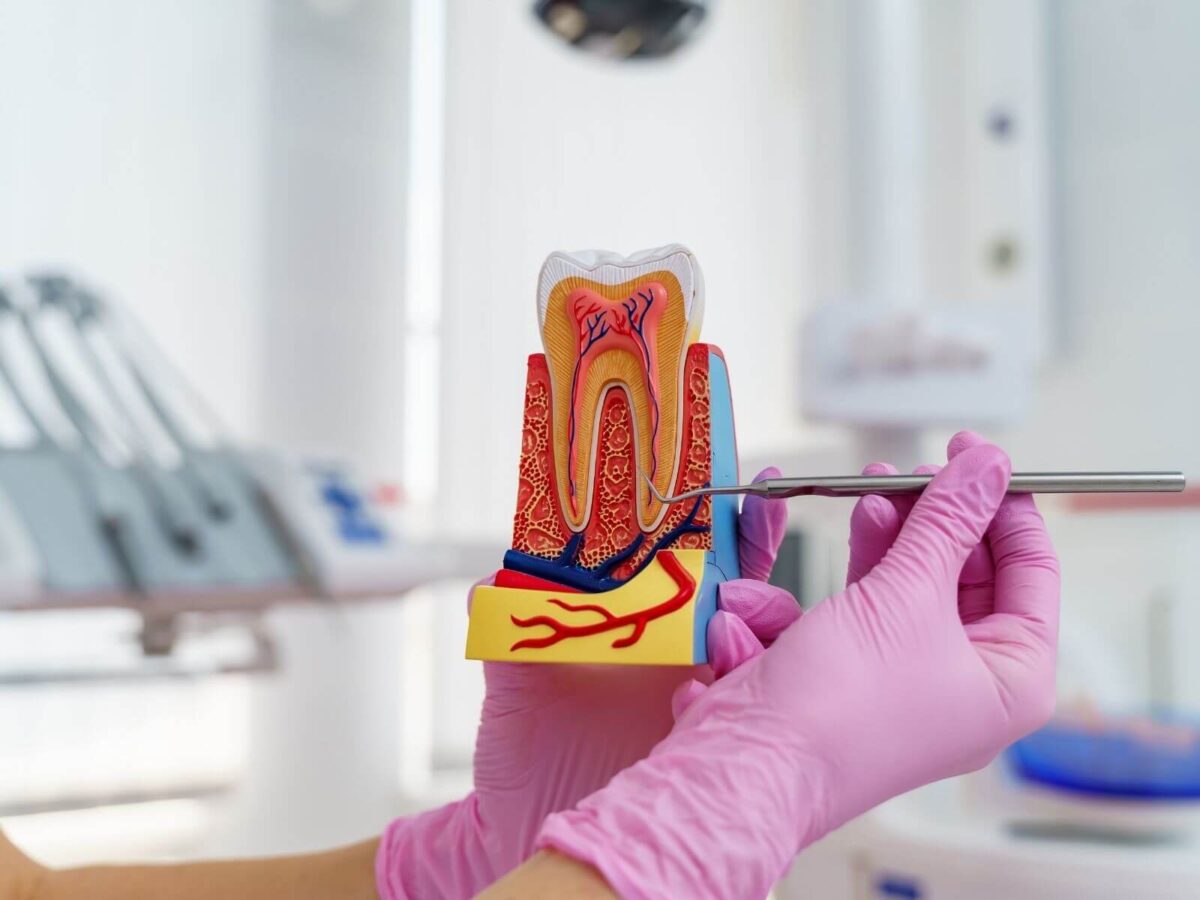
Do Root Canals Hurt? Pain, Recovery, and What to Expect
People still react strongly to root canals. The phrase alone does it sometimes. A dentist mentions one during an appointment, and the mood changes immediately. Then the searches start. Do root canals hurt? How painful is a root canal? Is RCT painful?
The reputation has stayed around for years, even though the procedure itself has changed quite a bit. Older dental stories still float around online and inside waiting rooms. Somebody’s uncle had a terrible experience twenty years ago, and somehow that becomes the expectation for everyone else, too.
Meanwhile, the tooth already hurts before treatment even starts in a lot of cases. That part gets mixed into the fear pretty quickly.
The American Association of Endodontists says patients who already have had a root canal are far more likely to describe the procedure as painless compared to people who have never gone through one before.
Why Do Root Canals Sound Worse Than They Are?
The name probably does not help. “Root canal” sounds more serious than a regular filling appointment, even if the experience itself may not feel dramatically different once everything is numb. A lot of patients expect sharp pain the entire time before they even sit in the chair.
That expectation builds tension before treatment starts. Dental anxiety does that in general, though. Root canals just carry more baggage around them than most procedures.
What Happens During The Procedure?
The tooth gets numbed before treatment starts. After that, the inside is cleaned and sealed once the canals are prepared.
The appointment can take a while, depending on the tooth. Molars near the back tend to be slower. Front teeth are often simpler structurally. Though not always. Some roots curve strangely, and that changes the pacing of the procedure. The actual appointment feels more boring than dramatic for many patients.
Do Root Canals Hurt While They Are Happening?
This is the main thing behind searches for do root canals hurt. Most people mainly notice pressure and movement once the anesthetic kicks in. The tooth can still feel strange during treatment, though strange and painful are not really the same thing.
An infected tooth does not always numb immediately. There are cases where the dentist adds more numbing medication if the tooth remains sensitive during treatment.
Patients who expect the worst beforehand are usually surprised once the procedure is over. Most describe it as easier than they thought it would be. Not fun obviously. But not the horror story they pictured either.
Why Does The Tooth Hurt Before The Root Canal?
An infected tooth creates pressure around the nerve inside. Since the space there is very limited, the pain can feel stronger than people expect once it starts building up.
Some patients notice pain while biting down. Others react more to cold drinks or temperature changes. Then there are situations where the pain suddenly settles down for a bit before returning again later. The irritation inside the tooth usually starts well before treatment happens.
How Painful Is A Root Canal Compared To Other Dental Work?
People asking “how painful is a root canal?” sometimes expect something much worse than an extraction or crown appointment. The recovery feels different, though.
An extraction leaves an empty space that has to heal afterward. A root canal keeps the tooth in place and treats the inside portion instead.
Some patients recover from root canals pretty quickly. Others stay sore for several days afterward if the tooth was badly inflamed beforehand. The condition of the tooth matters more than people expect.
Is RCT Painful After The Appointment?
Searches for “is RCT painful” usually shift toward recovery once the procedure is over. Mild soreness afterward is common. Especially while chewing. The surrounding tissue around the tooth may stay irritated for a few days since the area was already inflamed before treatment started. Biting pressure can feel strange temporarily too.
According to the Cleveland Clinic, tenderness after root canal treatment may continue for several days while the surrounding tissue heals.
Some patients go back to work immediately afterward. Others prefer taking the evening quietly if the jaw feels tired from staying open for a long appointment.
Why Do Some Root Canals Take Longer?
Not every tooth looks the same inside. Back molars can contain multiple canals and narrow spaces that take longer to clean properly. Some teeth also develop infections deep near the root tip area.
Previous dental work changes things, too. A tooth with older crowns or large fillings may require extra steps during treatment.
Then there are appointments that move along pretty quickly without much trouble at all. It really depends on the condition of the tooth and what the dentist finds during treatment.
Can Waiting Make The Tooth Worse
Tooth infections do not always stay the same month after month. The pain can become more constant. Some people wake up with swelling near the side of the face or gums after ignoring the tooth for too long.
According to the American Dental Association, infections inside a tooth may slowly spread beyond the tooth itself. Pain also comes and goes for some patients, which is part of why treatment gets delayed sometimes. The problem inside the tooth may still continue during that time.
Why Do Many Root Canal Teeth Need Crowns?
Root canal treatment removes tissue from inside the tooth, though the outer tooth structure matters too. Some teeth already contain large fillings or cracks before treatment begins. Back teeth deal with strong chewing pressure every day, especially molars.
Crowns are commonly recommended afterward for that reason. Not every tooth needs one immediately. Front teeth are different sometimes. It depends on how much natural structure still remains after treatment.
What Does Recovery Feel Like?
Recovery is not identical for everyone. Some people mainly notice tenderness while chewing. Others describe the tooth as feeling slightly “high” or unfamiliar for a short period afterward before the bite settles properly. Soft foods feel easier during the first day for some patients. Then things gradually return to normal.
Root canal treatment feels very different now compared to older procedures. The National Institute of Dental and Craniofacial Research says newer anesthesia methods and updated techniques have improved patient comfort quite a bit.
Why Are Root Canal Stories Still So Extreme Online?
The internet tends to amplify difficult experiences. People with normal recoveries usually move on quietly afterward. Someone with swelling or a complicated infection is more likely to post long descriptions online.
That shapes expectations pretty quickly for nervous patients searching late at night before an appointment. Meanwhile, many root canal appointments end up feeling fairly routine inside the office itself.
FAQs
Do root canals hurt more than fillings?
Most patients say the appointment feels closer to a longer filling visit once the tooth becomes numb. The pressure feels different, though not usually sharp or intense.
How painful is a root canal afterward?
The tooth may stay a little sore afterward. That feeling usually becomes less noticeable as the area settles down.
Can treatment hurt during the procedure?
The area gets numbed before the dentist starts working, so patients mainly notice movement and pressure instead of pain.
Can you eat after a root canal?
Yes, though many people wait until the numb feeling goes away first. They also stick with softer foods for some time.
How long does the appointment take?
Some visits finish fairly quickly. But sometimes it can take longer depending on the tooth and the condition inside the canals.
Conclusion
The fear around root canals stayed around much longer than the older dental experiences that created it in the first place. Most people searching “do root canals hurt” are already dealing with tooth pain before treatment begins, which changes how the procedure feels emotionally before they even arrive at the appointment.
If you have been searching “do root canals hurt”, the best next step is getting the tooth examined by a dentist. Generally, the discomfort from the infection feels worse than the treatment itself. Seeing a dentist sooner may help avoid a more complicated treatment process later.

