
Blog
Dental hygiene tips for healthy teeth & gums
Screwless Dental Implants: How They Work, Benefits, and Cost
Dental implants already confuse a lot of patients before treatment even starts. Then terms like screwless dental implants show up during consultations, and things get even more confusing.
Some people assume the implant goes into the jaw without screws at all. Others think it is a completely different type of treatment. Neither one is exactly true.
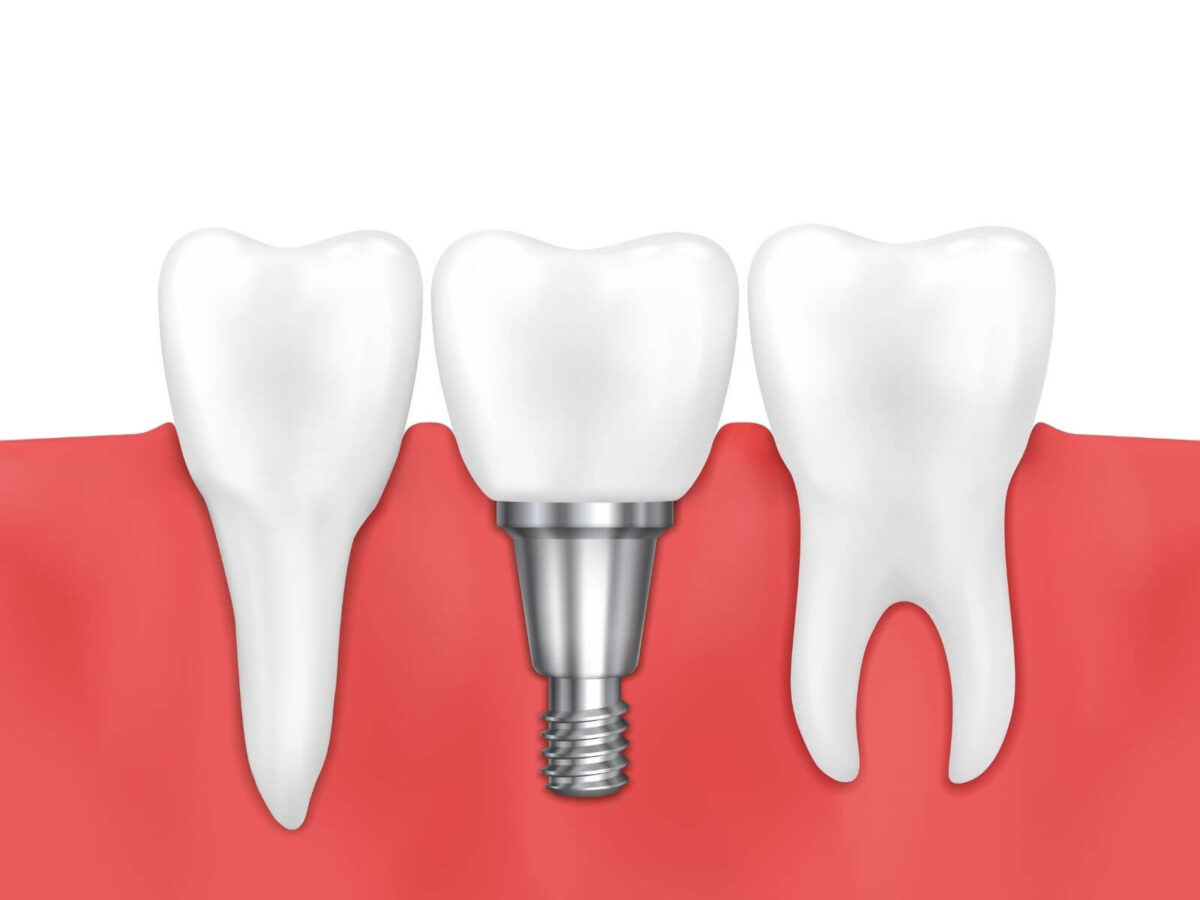
The implant post still anchors into the bone like a regular implant. The difference mainly involves the final crown connection after healing is complete.
Searches for “what are screwless dental implants” and “how do screwless dental implants work” have grown more common recently as cosmetic implant systems become more widely advertised online.
The American Academy of Implant Dentistry says that around 3 million people in the United States currently have dental implants. And nearly 500,000 more are placed every year.
What Are “Screwless Dental Implants”
People hear the phrase screwless dental implants and assume the entire implant works differently. That is not exactly the case. Traditional implant crowns usually include a small access point where the crown gets tightened into place before the top section is sealed.
The newer systems change more of the crown connection itself. Instead of a visible screw-access area, the parts fit together through internal retention or locking designs. The implant post inside the bone is still placed much like other dental implants.
Why Do People Get Confused About Them?
Part of the confusion comes from the wording itself. Patients hear “screwless” and imagine the entire implant somehow snaps into place without surgical hardware. That is not really what happens.
The surgery stage still involves placing a titanium implant into the bone. The crown connection is the part that changes later. Most dentists explain this during consultations because the misunderstanding happens pretty regularly.
How Do Screwless Dental Implants Work?
The restoration depends heavily on precision fitting. Some systems use tapered internal connections that lock tightly once the crown seats into place. Others rely on friction between the components to stabilize the crown during chewing and speaking.
A few versions may involve dental cement rather than visible screw retention. The fit matters a lot with these systems. Small adjustments during placement can affect how the crown sits afterward.
Why Does Digital Dentistry Matter Here?
Digital scanning changed implant restorations quite a bit. Many implant crowns are now designed through CAD/CAM systems instead of older manual methods. The measurements become more precise, which helps with restorations that rely on tight internal connections.
That accuracy becomes important for screwless dental implants because the restoration fit needs to stay very exact. Some offices still use more traditional workflows, though. That really depends on the dental office and the implant system they work with.
Why Are Patients Interested In Screwless Dental Implants?
A lot of the interest comes from appearance. Patients reading screwless dental implants reviews usually focus on how the crown looks once treatment is complete.
Without a visible screw-access opening on top of the crown, the tooth surface can appear smoother under certain lighting conditions. That tends to matter more for front teeth than molars near the back of the mouth.
What Makes The Appearance Different?
Traditional implant crowns sometimes show a small filled opening where the screw was inserted. Some patients never notice it. Others immediately focus on it once they see close-up photos or smile comparisons during consultations.
With screwless dental implants, the crown surface often looks more continuous from the outside. That cosmetic detail becomes one reason dentists recommend them for highly visible teeth.
Are They Always Better Than Traditional Implants?
Not automatically. Some cases work very well with screw-retained restorations. Other cases benefit from friction-fit systems instead. Bite pressure, implant angle, gum condition, and crown positioning all affect the recommendation. Heavy grinding habits can change the decision too. This is why dentists still evaluate each implant case individually rather than using one restoration style for everyone.
What Benefits Come With Screwless Dental Implants?
The cosmetic side usually gets mentioned first. Many patients like the smoother crown appearance and the absence of a visible access hole. Some dentists also prefer these restorations when implant angles create awkward screw-channel positions with traditional crowns. There can also be slightly more flexibility during crown shaping in certain cosmetic cases.
Do They Feel Different While Chewing?
Some patients say yes. Others do not notice much difference at all once healing finishes. People occasionally describe the crown surface as feeling smoother because there is no composite-filled screw opening sitting on top. Though honestly, bite adjustment and crown contour usually affect comfort more than the connection style itself.
What Does The Cost Look Like?
There is not really one fixed price for implant treatment. The clinic, the materials being used, and any extra procedures during treatment all affect the final cost. Imaging appointments and grafting procedures can shift the numbers around quite a bit in some offices.
Some dentists charge slightly more for screwless dental implants depending on the restoration system they use. The difference does not always end up being as large as people expect once the full treatment plan gets reviewed.
What Makes Implant Treatment Prices Vary
Some advertised implant fees only include surgical placement. The crown, digital scans, temporary restorations, and follow-up visits may appear separately afterward. Other clinics combine everything into one treatment estimate from the beginning. That is why online implant price comparisons can get confusing very quickly.
According to the American Dental Association, a single dental implant restoration commonly ranges between 3,000 – 6,000 dollars, depending on treatment complexity.
Does Insurance Cover Screwless Dental Implants?
Insurance coverage varies quite a bit. Some dental plans contribute partially toward implant treatment, while others still classify implants under limited major restorative benefits. Even when dental insurance contributes toward implants, coverage is not always straightforward. Patients normally need an exam and a closer look at the policy details before pricing becomes easier to understand.
Why Does Dentist Experience Matter?
Not every office uses the same implant systems. Some dentists place implants regularly, while others mainly restore implants referred from specialists.
Experience plays a big role in screwless dental implant placement since the final crown fit depends a lot on positioning. Small positioning changes during treatment can affect how the crown functions later.
FAQs About Screwless Dental Implants
Can screwless dental implants be permanent?
The implant portion is intended for long-term use. The crown on top may need repairs or replacement after years of chewing and wear.
Are they more painful?
Not really. The recovery period is fairly similar since the healing mostly comes from the implant surgery itself.
Are screwless dental implants safe to get?
They are used safely in many dental offices as long as the treatment planning and placement are done correctly.
Can they last a long time?
Many implants continue functioning well for years. But the surrounding gums and overall oral care still need attention.
Do dentists use them for front teeth?
Yes. Some dentists prefer them in visible areas where patients are paying closer attention to appearance.
Conclusion
Research around screwless dental implants keeps increasing as patients compare newer implant options with traditional restorations. Some people pay attention to appearance while others spend more time reading screwless dental implants reviews and looking into different treatment approaches before making a decision.
Questions like “what are screwless dental implants” and “how do screwless dental implants work” come up pretty often during implant consultations. The answer can look a little different from one patient to another since the mouth does not always respond the same way in every case.
A lot of people look through screwless dental implants reviews before deciding what they want to do next. Yes, online research helps to a point. A consultation tends to make things easier to understand. The dentist can examine the implant area directly and talk through the treatment options during the visit.

